Starter for ten
University Challenge
Art and architecture, music from Monteverdi to Motown, film, opera, books, Shakespeare, myth, philosophy, science, maths, medicine, monarchs, prime ministers, presidents, history, geography, religion, economics, words, food and general knowledge — the material that keeps turning up in starters, bonuses and picture rounds. 1803 entries, 14254 flashcards — all feeding your daily review.
Learn to recognise it
The rounds test what you know. Spotting Style teaches the skill behind them: placing a painting, a piece or a building you have never seen before, from what is actually in front of you. 435 flashcards across 36 articles.
Test yourself
🎨 Artists
72The painters picture rounds love — and the works you'll be shown.
20th century
 Mark Rothko 1903–1970
 Helen Frankenthaler 1928–2011 🎨 Marcel Duchamp 1887–1968 🎨 Agnes Martin 1912–2004
 Paul Klee 1879–1940 🎨 Paula Rego 1935–2022
 Georgia O'Keeffe 1887–1986
 Barbara Hepworth 1903–1975
 Henry Moore 1898–1986
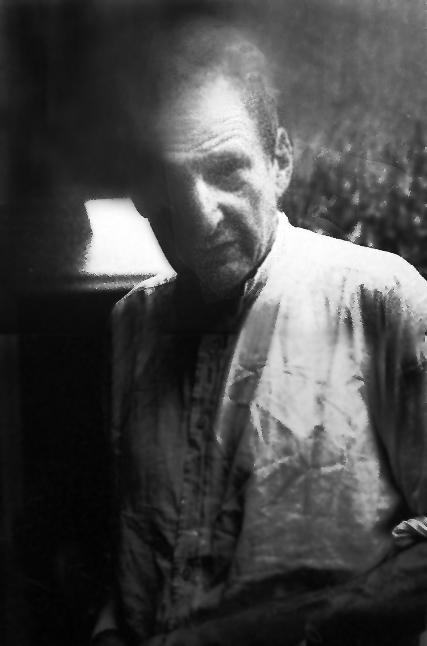 Lucian Freud 1922–2011
 Bridget Riley born 1931
 Louise Bourgeois 1911–2010
 Jean-Michel Basquiat 1960–1988
21st century


Other
 Giotto c. 1267–1337
 Jan van Eyck c. 1390–1441
 Sandro Botticelli c. 1445–1510
 Leonardo da Vinci 1452–1519
 Michelangelo 1475–1564
 Raphael 1483–1520
 Titian c. 1488/1490–1576
 Hieronymus Bosch c. 1450–1516
 Albrecht Dürer 1471–1528
 Hans Holbein the Younger c. 1497–1543
 Pieter Bruegel the Elder c. 1525–1569
 El Greco 1541–1614
 Caravaggio 1571–1610
 Artemisia Gentileschi 1593–c. 1656
 Peter Paul Rubens 1577–1640
 Diego Velázquez 1599–1660
 Rembrandt 1606–1669
 Johannes Vermeer 1632–1675
 Canaletto 1697–1768
 William Hogarth 1697–1764
 George Stubbs 1724–1806
 Thomas Gainsborough 1727–1788
 Francisco Goya 1746–1828
 John Constable 1776–1837
 J. M. W. Turner 1775–1851
 Caspar David Friedrich 1774–1840
 Eugène Delacroix 1798–1863
 Gustave Courbet 1819–1877
 Dante Gabriel Rossetti 1828–1882
 John Everett Millais 1829–1896
 Édouard Manet 1832–1883
 Claude Monet 1840–1926
 Edgar Degas 1834–1917
 Pierre-Auguste Renoir 1841–1919
 Paul Cézanne 1839–1906
 Vincent van Gogh 1853–1890
 Paul Gauguin 1848–1903
 Georges Seurat 1859–1891
 Henri de Toulouse-Lautrec 1864–1901
 James McNeill Whistler 1834–1903
 Gustav Klimt 1862–1918
 Edvard Munch 1863–1944
 Henri Matisse 1869–1954
 Pablo Picasso 1881–1973
 Wassily Kandinsky 1866–1944
 Piet Mondrian 1872–1944
 Salvador Dalí 1904–1989
 René Magritte 1898–1967
 Frida Kahlo 1907–1954
 Edward Hopper 1882–1967
 Jackson Pollock 1912–1956 🎨 Francis Bacon 1909–1992
 Andy Warhol 1928–1987
 David Hockney 1937–2026
🏛️ Architects
34Who designed it — and what to look for in the building itself.
Classical & Renaissance
 Vitruvius c. 80–70 BC – after c. 15 BC
 Filippo Brunelleschi 1377–1446
 Andrea Palladio 1508–1580
 Gian Lorenzo Bernini 1598–1680
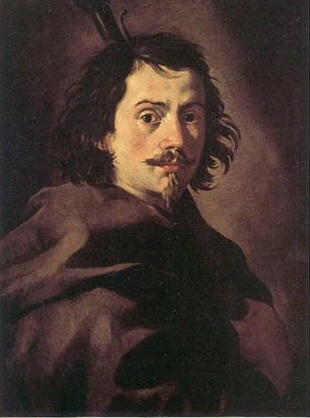 Francesco Borromini 1599–1667
 Inigo Jones 1573–1652
 Christopher Wren 1632–1723
 Nicholas Hawksmoor c. 1661–1736
 John Vanbrugh 1664–1726
 Robert Adam 1728–1792
 John Nash 1752–1835
 John Soane 1753–1837
Gothic & the revivals



Modernist





🎼 Composers
51Recognise the composer from a few bars.
 Claudio Monteverdi 1567–1643
 Henry Purcell 1659–1695
 Antonio Vivaldi 1678–1741
 Johann Sebastian Bach 1685–1750
 George Frideric Handel 1685–1759
 Joseph Haydn 1732–1809
 Wolfgang Amadeus Mozart 1756–1791
 Ludwig van Beethoven 1770–1827
 Franz Schubert 1797–1828
 Hector Berlioz 1803–1869
 Felix Mendelssohn 1809–1847
 Frédéric Chopin 1810–1849
 Robert Schumann 1810–1856
 Franz Liszt 1811–1886
 Richard Wagner 1813–1883
 Giuseppe Verdi 1813–1901
 Johannes Brahms 1833–1897
 Georges Bizet 1838–1875
 Pyotr Ilyich Tchaikovsky 1840–1893
 Antonín Dvořák 1841–1904
 Edvard Grieg 1843–1907
 Edward Elgar 1857–1934
 Giacomo Puccini 1858–1924
 Gustav Mahler 1860–1911
 Claude Debussy 1862–1918
 Richard Strauss 1864–1949
 Jean Sibelius 1865–1957
 Sergei Rachmaninoff 1873–1943 🎼 Gustav Holst 1874–1934 🎼 Ralph Vaughan Williams 1872–1958
 Maurice Ravel 1875–1937
 Igor Stravinsky 1882–1971
 Sergei Prokofiev 1891–1953
 Dmitri Shostakovich 1906–1975
 Benjamin Britten 1913–1976
 George Gershwin 1898–1937
 Arthur Sullivan 1842–1900
 Hildegard of Bingen c. 1098–1179 🎼 Barbara Strozzi 1619–1677
 Fanny Mendelssohn 1805–1847
 Clara Schumann 1819–1896
 Ethel Smyth 1858–1944
 Amy Beach 1867–1944
 Florence Price 1887–1953
 Nadia Boulanger 1887–1979
 Lili Boulanger 1893–1918
 Olivier Messiaen 1908–1992
 Thea Musgrave born 1928
 Arvo Pärt born 1935 🎼 Judith Weir born 1954
 Errollyn Wallen born 1958
🎶 Operas
44Who wrote it, what happens, and the aria you'd recognise.
Italian opera
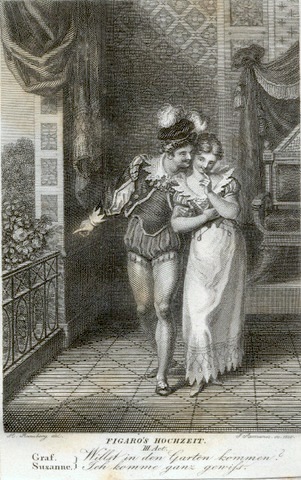 The Marriage of Figaro 1 May 1786, Burgtheater, Vienna
 Don Giovanni 29 October 1787, Estates Theatre, Prague
 Così fan tutte 26 January 1790, Burgtheater, Vienna
 The Barber of Seville 20 February 1816, Teatro Argentina, Rome
 L'elisir d'amore 12 May 1832, Teatro della Canobbiana, Milan
 Lucia di Lammermoor 26 September 1835, Teatro di San Carlo, Naples
 Norma 26 December 1831, La Scala, Milan
 Rigoletto 11 March 1851, Teatro La Fenice, Venice
 La traviata 6 March 1853, Teatro La Fenice, Venice 🎶 Aida 24 December 1871, Khedivial Opera House, Cairo
 Il trovatore 19 January 1853, Teatro Apollo, Rome
 Otello 5 February 1887, Teatro alla Scala, Milan
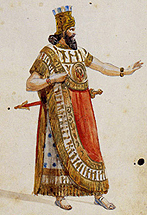 Nabucco 9 March 1842, Teatro alla Scala, Milan
 La bohème 1 February 1896, Teatro Regio, Turin
 Tosca 14 January 1900, Teatro Costanzi, Rome
 Madama Butterfly 17 February 1904, Teatro alla Scala, Milan
 Turandot 25 April 1926, Teatro alla Scala, Milan
 Orfeo ed Euridice 5 October 1762, Burgtheater, Vienna
German opera
 The Magic Flute 30 September 1791, Theater auf der Wieden, Vienna
 Der Ring des Nibelungen First complete cycle 13–17 August 1876, Bayreuth Festspielhaus
 Die Walküre 26 June 1870, Nationaltheater, Munich
 Tristan und Isolde 10 June 1865, Königliches Hof- und Nationaltheater, Munich
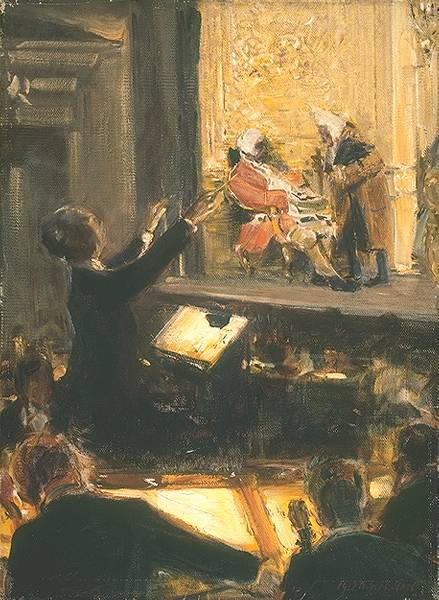 Der Rosenkavalier 26 January 1911, Königliches Opernhaus (Semperoper), Dresden


Russian & Slavic opera


Opera in English
 Peter Grimes 7 June 1945, Sadler's Wells Theatre, London 🎶 Porgy and Bess 30 September 1935, Colonial Theatre, Boston; Broadway 10 October 1935
 Dido and Aeneas 1689, Josias Priest's boarding school for girls, Chelsea, London
 The Beggar's Opera 29 January 1728, Lincoln's Inn Fields Theatre, London
 The Turn of the Screw 14 September 1954, Teatro La Fenice, Venice
 Billy Budd 1 December 1951, Royal Opera House, Covent Garden, London The Rake's Progress 11 September 1951, Teatro La Fenice, Venice
 The Mikado 14 March 1885, Savoy Theatre, London
 The Pirates of Penzance 31 December 1879, Fifth Avenue Theatre, New York
 H.M.S. Pinafore 25 May 1878, Opera Comique, London
 Iolanthe 25 November 1882, Savoy Theatre, London
 The Gondoliers 7 December 1889, Savoy Theatre, London 🎶 The Yeomen of the Guard 3 October 1888, Savoy Theatre, London
 Patience 23 April 1881, Opera Comique, London; transferred to the Savoy Theatre, 10 October 1881
 Trial by Jury 25 March 1875, Royalty Theatre, London 🎶 Ruddigore 22 January 1887, Savoy Theatre, London
 Princess Ida 5 January 1884, Savoy Theatre, London
🎸 Popular music
49The music round is not all Mozart — rock, soul, jazz and pop.
Rock
 The Beatles 1960–1970
 The Rolling Stones 1962–present
 Bob Dylan born 24 May 1941
 David Bowie 1947–2016
 Led Zeppelin 1968–1980 🎸 Pink Floyd 1965–1995; occasional reunions since
 Queen 1970–present
 The Who 1964–present
 Jimi Hendrix 1942–1970
 The Velvet Underground 1964–1973
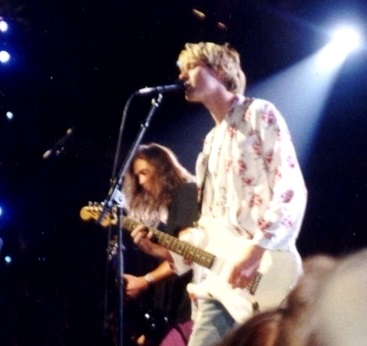 Nirvana 1987–1994
 Radiohead 1985–present
 Fleetwood Mac 1967–present
 Bruce Springsteen born 23 September 1949
 The Clash 1976–1986
Pop


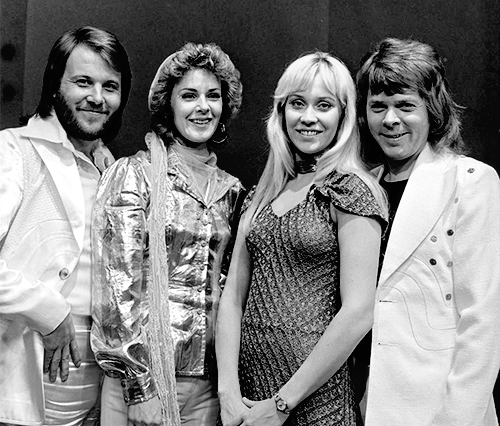


Soul, funk & R&B


Jazz & blues


Folk & country


🎬 Directors
59Directors and the films that get named in starters — Hollywood, Europe and beyond.
Around the world


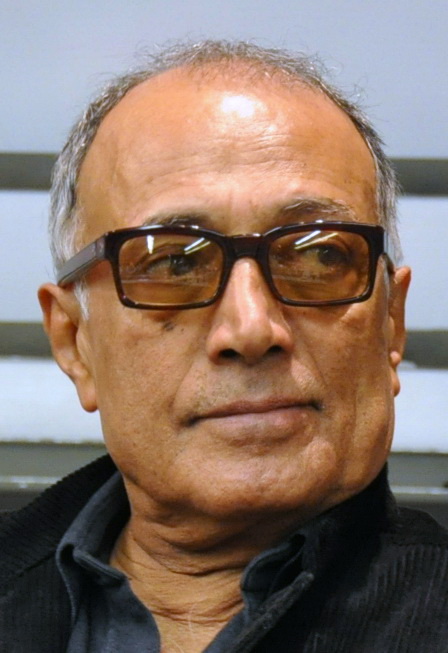

Hollywood
 Alfred Hitchcock 1899–1980
 Orson Welles 1915–1985
 John Ford 1894–1973
 Billy Wilder 1906–2002
 Stanley Kubrick 1928–1999
 Steven Spielberg born 1946
 Martin Scorsese born 1942
 Francis Ford Coppola born 1939
 David Lynch 1946–2025
 Quentin Tarantino born 1963
 Joel and Ethan Coen Joel born 1954; Ethan born 1957
 Christopher Nolan born 1970
 Kathryn Bigelow born 1951
 Greta Gerwig born 1983
 Spike Lee born 1957
British & Irish
 David Lean 1908–1991 🎬 Powell and Pressburger Partnership 1939–1972; Michael Powell 1905–1990, Emeric Pressburger 1902–1988
 Mike Leigh born 1943
 Lynne Ramsay born 1969
 Charlie Chaplin 1889–1977
 Carol Reed 1906–1976
 Ken Loach born 1936
 Richard Attenborough 1923–2014
 Ridley Scott born 1937
 Neil Jordan born 1950
 Danny Boyle born 1956
 Sam Mendes born 1965
 Steve McQueen born 1969
 Andrea Arnold born 1961 🎬 Terence Davies 1945–2023
 Emerald Fennell born 1985
European
 Jean-Luc Godard 1930–2022
 François Truffaut 1932–1984
 Agnès Varda 1928–2019
 Federico Fellini 1920–1993
 Ingmar Bergman 1918–2007
 Michelangelo Antonioni 1912–2007
 Pedro Almodóvar born 1949 🎬 Luis Buñuel 1900–1983
 Jean Renoir 1894–1979
 Fritz Lang 1890–1976
 Krzysztof Kieślowski 1941–1996
 Michael Haneke born 1942
 Chantal Akerman 1950–2015
Animation & documentary


📚 Authors
112Novelists, poets and playwrights — titles, characters and famous lines.
Novelists
 Daniel Defoe c. 1660–1731
 Jonathan Swift 1667–1745
 Henry Fielding 1707–1754
 Laurence Sterne 1713–1768
 Jane Austen 1775–1817
 Walter Scott 1771–1832
 Mary Shelley 1797–1851
 Charles Dickens 1812–1870
 Charlotte Brontë 1816–1855
 Emily Brontë 1818–1848
 George Eliot 1819–1880
 Thomas Hardy 1840–1928
 Anthony Trollope 1815–1882
 Robert Louis Stevenson 1850–1894
 Joseph Conrad 1857–1924
 E. M. Forster 1879–1970
 James Joyce 1882–1941
 Virginia Woolf 1882–1941
 D. H. Lawrence 1885–1930
 Agatha Christie 1890–1976
 Evelyn Waugh 1903–1966
 George Orwell 1903–1950
 Graham Greene 1904–1991 📚 Iris Murdoch 1919–1999
 Doris Lessing 1919–2013
 Salman Rushdie born 1947
 Kazuo Ishiguro born 1954 📚 Hilary Mantel 1952–2022
 Zadie Smith born 1975
 Murasaki Shikibu c. 973–c. 1014 or later
 Miguel de Cervantes 1547–1616
 Victor Hugo 1802–1885
 Gustave Flaubert 1821–1880
 Leo Tolstoy 1828–1910
 Fyodor Dostoevsky 1821–1881
 Marcel Proust 1871–1922
 Franz Kafka 1883–1924
 Herman Melville 1819–1891
 Mark Twain 1835–1910
 Edith Wharton 1862–1937
 F. Scott Fitzgerald 1896–1940
 Ernest Hemingway 1899–1961
 Chinua Achebe 1930–2013
 Gabriel García Márquez 1927–2014
 Toni Morrison 1931–2019
 Olga Tokarczuk born 1962
 Nikolai Gogol 1809–1852
 Mikhail Bulgakov 1891–1940
 Ngũgĩ wa Thiong'o 1938–2025
 Naguib Mahfouz 1911–2006
 Yasunari Kawabata 1899–1972
 Haruki Murakami born 1949
 Han Kang born 1970
 Margaret Atwood born 1939 📚 Elena Ferrante pseudonym; first published 1992
 Annie Ernaux born 1940
 Abdulrazak Gurnah born 1948
 Jorge Luis Borges 1899–1986
 Italo Calvino 1923–1985
 Orhan Pamuk born 1952
 J. M. Coetzee born 1940
Poets
 Homer fl. c. 8th century BC (traditional)
 Dante Alighieri c. 1265–1321
 Geoffrey Chaucer c. 1343–1400
 John Milton 1608–1674
 William Blake 1757–1827
 William Wordsworth 1770–1850
 Samuel Taylor Coleridge 1772–1834
 Lord Byron 1788–1824
 Percy Bysshe Shelley 1792–1822
 John Keats 1795–1821
 Elizabeth Barrett Browning 1806–1861
 Alfred Tennyson 1809–1892
 Walt Whitman 1819–1892
 Emily Dickinson 1830–1886
 Christina Rossetti 1830–1894
 W. B. Yeats 1865–1939
 Wilfred Owen 1893–1918
 T. S. Eliot 1888–1965
 Sylvia Plath 1932–1963
 Seamus Heaney 1939–2013
 Sappho c. 630 – c. 570 BC
 Wisława Szymborska 1923–2012
Playwrights
 Sophocles c. 496–406 BC
 William Shakespeare 1564–1616
 Christopher Marlowe 1564–1593
 Molière 1622–1673
 Henrik Ibsen 1828–1906
 Oscar Wilde 1854–1900
 Anton Chekhov 1860–1904 📚 George Bernard Shaw 1856–1950
 Samuel Beckett 1906–1989
 Arthur Miller 1915–2005
 Tennessee Williams 1911–1983
 Harold Pinter 1930–2008
 Tom Stoppard 1937–2025
 W. S. Gilbert 1836–1911
 Wole Soyinka born 1934
 Georg Büchner 1813–1837
 August Strindberg 1849–1912
 Bertolt Brecht 1898–1956
 Eugene O'Neill 1888–1953
 Federico García Lorca 1898–1936
 Caryl Churchill born 1938 📚 Sarah Kane 1971–1999
 Lorraine Hansberry 1930–1965
 Aeschylus c. 525–456 BC
 Euripides c. 480–406 BC
 Aristophanes c. 446–c. 386 BC
 Luigi Pirandello 1867–1936
 Eugène Ionesco 1909–1994
 Lynn Nottage born 1964
🎭 Shakespeare's plays
29Plot, characters and the lines everyone half-remembers.
Tragedies


Comedies
 A Midsummer Night's Dream c. 1595–96
 Twelfth Night c. 1601–02
 Much Ado About Nothing c. 1598–99
 As You Like It c. 1599–1600
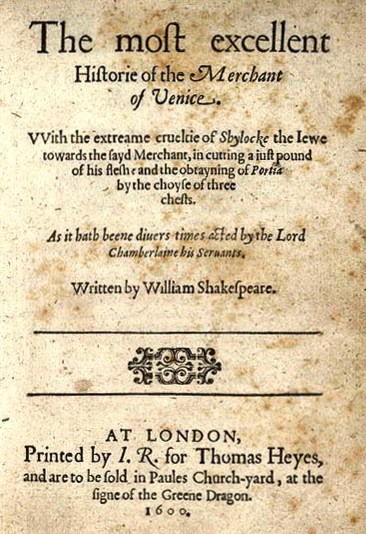 The Merchant of Venice c. 1596–97
 The Taming of the Shrew c. 1590–92
 The Comedy of Errors c. 1594
 Measure for Measure c. 1603–04
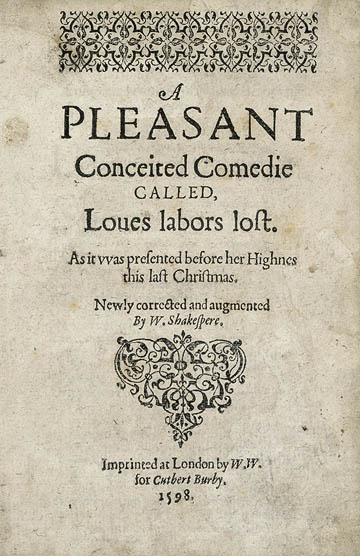 Love's Labour's Lost c. 1594–95
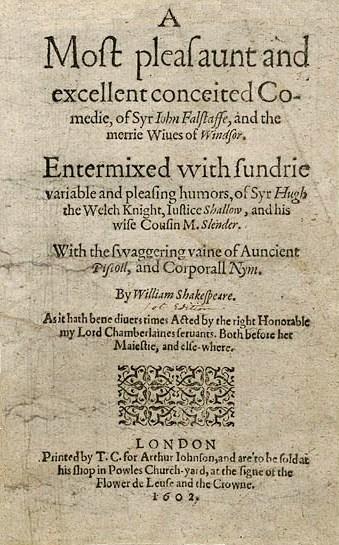 The Merry Wives of Windsor c. 1597–1602
Histories



⚡ Myths & legends
58Gods, heroes and monsters — their stories, symbols and other names.
Greek
 Zeus Greek mythology — king of the Olympians, god of sky and thunder
 Hera Greek mythology — Olympian, queen of the gods
 Poseidon Greek mythology — Olympian, god of the sea, earthquakes and horses
 Hades Greek mythology — Olympian brother, lord of the underworld
 Athena Greek mythology — Olympian, goddess of wisdom, craft and strategic war
 Apollo Greek mythology — Olympian, god of prophecy, music, healing and light
 Artemis Greek mythology — Olympian, virgin goddess of the hunt, wild animals and childbirth
 Aphrodite Greek mythology — Olympian, goddess of love, beauty and desire
 Ares Greek mythology — Olympian, god of war
 Hephaestus Greek mythology — Olympian, god of fire, metalworking and craftsmen
 Hermes Greek mythology — Olympian, messenger god, patron of travellers, traders and thieves
 Demeter Greek mythology — Olympian, goddess of grain, agriculture and the harvest
 Dionysus Greek mythology — Olympian, god of wine, ecstasy and the theatre
 Persephone Greek mythology — queen of the underworld and goddess of spring growth
 Heracles Greek mythology — hero, later a god
 Theseus Greek mythology — hero and king of Athens
 Perseus Greek mythology — hero, founder of Mycenae
 Jason Greek mythology — hero, captain of the Argonauts
 Odysseus Greek mythology — hero of the Trojan War and the Odyssey
 Achilles Greek mythology — hero of the Trojan War
 Orpheus Greek mythology — Thracian musician, poet and prophet
 Daedalus Greek mythology — craftsman, architect and inventor
 Prometheus Greek mythology — Titan, champion of humankind
 Pandora Greek mythology — the first woman
 Medusa Greek mythology — Gorgon
 Minotaur Greek mythology — monster of Crete
 Cerberus Greek mythology — monster, hound of Hades
 Sphinx Greek mythology — monster of Thebes
Norse
 Odin Norse mythology — chief of the Æsir
 Thor Norse mythology — thunder god of the Æsir
 Loki Norse mythology — trickster among the Æsir
 Freyja Norse mythology — Vanir goddess of love, war and seiðr
 Frigg Norse mythology — queen of the Æsir
 Baldr Norse mythology — the shining god of the Æsir
 Týr Norse mythology — god of war, law and oaths
 Fenrir Norse mythology — monstrous wolf, child of Loki
 Jörmungandr Norse mythology — the Midgard Serpent
 Valkyrie Norse mythology — Odin's choosers of the slain ⚡ Yggdrasil Norse mythology — the world tree
 Ragnarök Norse mythology — the doom of the gods
Egyptian
 Ra Egyptian mythology — solar creator god
 Osiris Egyptian mythology — god of the dead and resurrection
 Isis Egyptian mythology — goddess of magic, motherhood and kingship
 Horus Egyptian mythology — falcon sky god and patron of kingship
 Anubis Egyptian mythology — god of embalming and the necropolis
 Thoth Egyptian mythology — god of writing, wisdom and the moon
 Set Egyptian mythology — god of storms, the desert and disorder
 Bastet Egyptian mythology — cat goddess of home, fertility and protection
Celtic & Arthurian


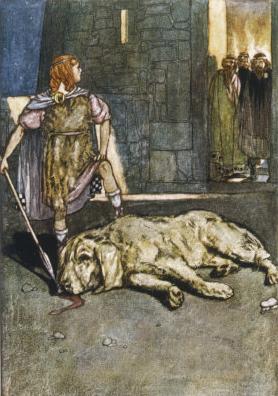
Mesopotamian


🏺 Philosophers
55Who wrote what, and the ideas that give them away.
 Confucius c. 551–479 BC (traditional dates)
 Laozi Traditionally 6th century BC (historicity disputed)
 Socrates c. 470/469–399 BC
 Plato c. 428/427 or 424/423–348/347 BC
 Aristotle 384–322 BC
 Epicurus 341–270 BC
 Marcus Aurelius AD 121–180
 Augustine of Hippo AD 354–430
 Thomas Aquinas 1225–1274
 Niccolò Machiavelli 1469–1527
 René Descartes 1596–1650
 Thomas Hobbes 1588–1679
 Baruch Spinoza 1632–1677
 John Locke 1632–1704
 Gottfried Wilhelm Leibniz 1646–1716
 George Berkeley 1685–1753
 David Hume 1711–1776
 Jean-Jacques Rousseau 1712–1778
 Voltaire 1694–1778
 Immanuel Kant 1724–1804
 Mary Wollstonecraft 1759–1797
 Jeremy Bentham 1748–1832
 Georg Wilhelm Friedrich Hegel 1770–1831
 Arthur Schopenhauer 1788–1860
 John Stuart Mill 1806–1873
 Søren Kierkegaard 1813–1855
 Karl Marx 1818–1883
 Friedrich Nietzsche 1844–1900
 Bertrand Russell 1872–1970
 Ludwig Wittgenstein 1889–1951
 Martin Heidegger 1889–1976
 Jean-Paul Sartre 1905–1980
 Simone de Beauvoir 1908–1986
 Hannah Arendt 1906–1975
 Karl Popper 1902–1994
 Michel Foucault 1926–1984
 Zhuangzi c. 369 – c. 286 BC
 Nagarjuna c. 150 – c. 250 AD
 Al-Ghazali c. 1058–1111
 Ibn Rushd (Averroes) 1126–1198
 Maimonides 1138–1204
 Christine de Pizan c. 1364 – c. 1430
 Simone Weil 1909–1943
 Jacques Derrida 1930–2004
 Judith Butler born 1956 🏺 Elizabeth Anscombe 1919–2001
 Mary Midgley 1919–2018
 Martha Nussbaum born 1947
 Frantz Fanon 1925–1961
 W. E. B. Du Bois 1868–1963
 Edward Said 1935–2003
 Thomas Kuhn 1922–1996
 John Rawls 1921–2002
 Angela Davis born 1944
 Cornel West born 1953
🔬 Scientists
79Discoveries, laws, eponyms and Nobel Prizes — the backbone of science starters.
Physics
 Galileo Galilei 1564–1642
 Christiaan Huygens 1629–1695
 Isaac Newton 1642/43–1727
 Émilie du Châtelet 1706–1749
 Michael Faraday 1791–1867
 James Clerk Maxwell 1831–1879
 J. J. Thomson 1856–1940
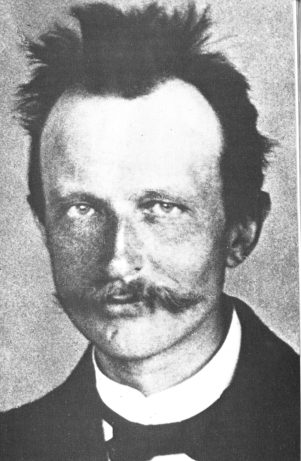 Max Planck 1858–1947
 Marie Curie 1867–1934
 Ernest Rutherford 1871–1937
 Albert Einstein 1879–1955
 Lise Meitner 1878–1968
 Niels Bohr 1885–1962
 Erwin Schrödinger 1887–1961
 Werner Heisenberg 1901–1976
 Paul Dirac 1902–1984
 Enrico Fermi 1901–1954
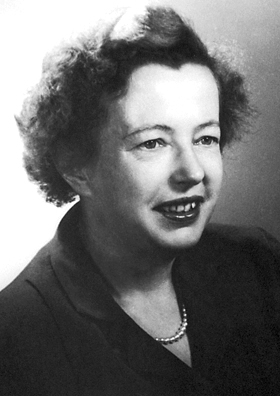 Maria Goeppert Mayer 1906–1972
 J. Robert Oppenheimer 1904–1967
 Chien-Shiung Wu 1912–1997 🔬 Richard Feynman 1918–1988
 Peter Higgs 1929–2024
Chemistry
 Robert Boyle 1627–1691
 Joseph Priestley 1733–1804
 Antoine Lavoisier 1743–1794
 John Dalton 1766–1844
 Amedeo Avogadro 1776–1856
 Humphry Davy 1778–1829
 Dmitri Mendeleev 1834–1907
 Alfred Nobel 1833–1896
 Fritz Haber 1868–1934
 Irène Joliot-Curie 1897–1956
 Linus Pauling 1901–1994
 Kathleen Lonsdale 1903–1971 🔬 Dorothy Hodgkin 1910–1994
 Rosalind Franklin 1920–1958
Biology
 Antonie van Leeuwenhoek 1632–1723
 Carl Linnaeus 1707–1778
 Charles Darwin 1809–1882
 Alfred Russel Wallace 1823–1913
 Gregor Mendel 1822–1884
 Louis Pasteur 1822–1895
 Robert Koch 1843–1910
 Alexander Fleming 1881–1955
 Barbara McClintock 1902–1992
 Francis Crick 1916–2004
 James Watson 1928–2025
 Rita Levi-Montalcini 1909–2012
 Rachel Carson 1907–1964
 Lynn Margulis 1938–2011
 Jane Goodall 1934–2025
 Jennifer Doudna born 1964
Maths, astronomy, medicine & more
 Euclid fl. c. 300 BC
 Archimedes c. 287–212 BC 🔬 Hypatia c. 350/370–415
 Leonhard Euler 1707–1783
 Carl Friedrich Gauss 1777–1855
 Ada Lovelace 1815–1852
 Emmy Noether 1882–1935
 Alan Turing 1912–1954
 Grace Hopper 1906–1992
 Katherine Johnson 1918–2020
 Nicolaus Copernicus 1473–1543
 Johannes Kepler 1571–1630
 Edmond Halley 1656–1742
 Caroline Herschel 1750–1848
 Henrietta Swan Leavitt 1868–1921
 Cecilia Payne-Gaposchkin 1900–1979
 Vera Rubin 1928–2016
 Jocelyn Bell Burnell 1943–
 Stephen Hawking 1942–2018
 William Harvey 1578–1657
 Edward Jenner 1749–1823
 Mary Anning 1799–1847
 Charles Lyell 1797–1875
 John Snow 1813–1858
 Florence Nightingale 1820–1910
 Elizabeth Garrett Anderson 1836–1917
 Tu Youyou born 1930
⚛️ Science topics
94The elements, laws, particles and creatures that keep coming up.
Physics
 Absolute zero 1848
 Entropy 1865
 The photoelectric effect 1887; explained 1905
 Brownian motion 1827; explained 1905
 Superconductivity 1911
 Black holes 1916 solution; imaged 2019
 Neutrinos proposed 1930; detected 1956
 Antimatter predicted 1928; positron found 1932
 The Higgs boson Predicted 1964; discovered 2012
 The Large Hadron Collider First beams 10 September 2008
 The Michelson–Morley experiment 1887
 Bose–Einstein condensate Predicted 1924–25; first created 1995
 Cherenkov radiation Observed 1934; explained 1937
 The SI base units System established 1960; redefined 20 May 2019 ⚛️ The Planck constant Introduced 1900
 Superfluidity Discovered 1937 ⚛️ Gravitational waves Predicted 1916; first detected 14 September 2015
Chemistry
 Tungsten 1783
 Mercury Chemistry — transition metals
 Phosphorus 1669
 Helium 1868 (in the Sun); 1895 (on Earth) ⚛️ Francium 1939
 Gold Chemistry — transition metals Noble gases 1894–1900
 Allotropes of carbon Chemistry — materials
 Aqua regia Chemistry — acids and reagents
 Benzene 1825 (isolated); 1865 (ring structure proposed)
 Buckminsterfullerene 1985
 Graphene 2004
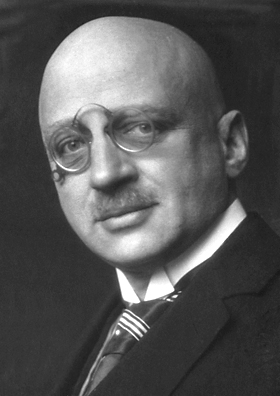 The Haber process 1909 (laboratory); 1913 (first industrial plant, at Oppau)
 Catalysis 1835 (named by Berzelius)
 The mole 1894 (named); 2019 (redefined)
 pH 1909
 Half-life 1907 (term coined by Rutherford)
 Chirality 1848 (Pasteur's separation); 1893 (named by Lord Kelvin)
Biology
 Mitochondrion 1898 (named by Carl Benda)
 Photosynthesis Biology — plant physiology and bioenergetics
 The Krebs cycle 1937
 DNA 1869 isolated; 1953 structure solved
 CRISPR 1987 observed; 2012 adapted for gene editing
 Enzymes 1877 (term coined by Wilhelm Kühne)
 Prions 1982 (named by Stanley Prusiner)
 Binomial nomenclature 1753 (plants); 1758 (animals)
 Antibiotic resistance Biology — microbiology and public health
 Tardigrade First described 1773; phylum named 1776
 Axolotl Described 1798; genome sequenced 2018
 Octopus Biology — molluscs, order Octopoda
 Coelacanth Rediscovered alive, 22 December 1938
 Platypus Described 1799
 Arctic tern Biology — birds, migration and navigation
 Naked mole-rat Biology — mammals, eusociality and ageing
 Venus flytrap Named 1768
 Honey bee Biology — insects, eusociality and animal communication
Mathematics
 e — Euler's number 1683 / 1748
 The golden ratio c. 300 BC – present
 The Fibonacci sequence 1202
 Prime numbers c. 300 BC – present ⚛️ Zero c. 3rd century BC – 628 AD ⚛️ Imaginary numbers 1545–1831
 Pythagoras' theorem c. 1800 BC – c. 530 BC Euler's identity 1748
 Cantor's diagonal argument 1891
 Group theory 1830s – present
 The Möbius strip 1858
 Fermat's Last Theorem c. 1637 – 1995
 The Riemann hypothesis 1859 ⚛️ Gödel's incompleteness theorems 1931
 The four colour theorem 1852–1976 ⚛️ The Millennium Prize Problems 2000
 The Fields Medal 1936 – present
 The Monty Hall problem 1975 / 1990
 The normal distribution 1733–1809
Medicine & the body
 The human heart Described by Harvey, 1628
 The anatomy of the ear Organ of Corti described 1851
 The eye Ophthalmoscope invented 1851
 The human skeleton Vesalius, 1543
 The brain's lobes Broca's area localised 1861
 The plexus Latin for a braid or plait
 Blood plasma Fractionation developed from 1940
 Blood groups ABO discovered 1901
 The liver First successful transplant 1967
 The kidney Artificial version built 1943
 Insulin Isolated 1921
 The endocrine system The word 'hormone' coined 1905
 The immune system Clonal selection theory, 1957
 Germ theory Established 1860s–1880s
 Anaesthesia First public demonstration 1846
 The X-ray Discovered 8 November 1895 ⚛️ MRI Nobel Prize 2003 ⚛️ The Hippocratic oath 5th–4th century BC
 The human microbiome Term coined 2001
 Vitamins Named 1912
👑 Monarchs
48Every English and British monarch since 1066, and what happened in the reign.
Anglo-Saxon & Danish


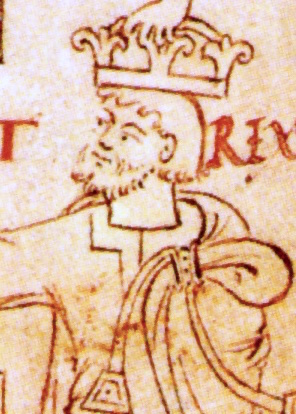

Norman & Angevin


Plantagenet


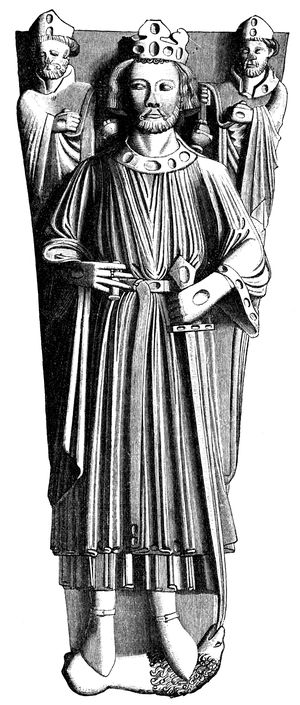


Lancaster & York

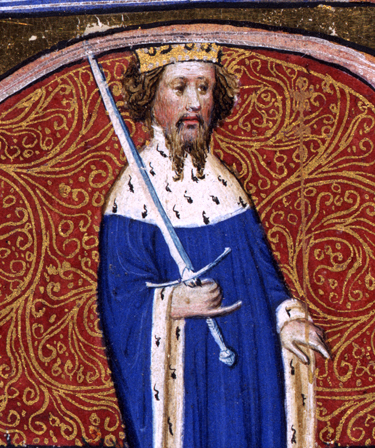


Tudor


Stuart


Hanoverian


🇬🇧 Prime Ministers
59Every UK Prime Minister from Walpole on, and what happened on their watch.
18th century
 Robert Walpole 1. 1721–1742
 Earl of Wilmington 2. 1742–1743
 Henry Pelham 3. 1743–1754
 Duke of Newcastle 4. 1754–1756; 1757–1762
 Duke of Devonshire 5. 1756–1757
 Earl of Bute 6. 1762–1763
 George Grenville 7. 1763–1765
 Marquess of Rockingham 8. 1765–1766; 1782
 Pitt the Elder 9. 1766–1768
 Duke of Grafton 10. 1768–1770
 Lord North 11. 1770–1782
 Earl of Shelburne 12. 1782–1783
 Duke of Portland 13. 1783; 1807–1809
 Pitt the Younger 14. 1783–1801; 1804–1806
19th century
 Henry Addington 15. 1801–1804
 Lord Grenville 16. 1806–1807
 Spencer Perceval 17. 1809–1812
 Lord Liverpool 18. 1812–1827
 George Canning 19. 1827
 Viscount Goderich 20. 1827–1828
 Duke of Wellington 21. 1828–1830; 1834
 Earl Grey 22. 1830–1834
 Viscount Melbourne 23. 1834; 1835–1841
 Robert Peel 24. 1834–1835; 1841–1846
 Lord John Russell 25. 1846–1852; 1865–1866
 Earl of Derby 26. 1852; 1858–1859; 1866–1868
 Earl of Aberdeen 27. 1852–1855
 Viscount Palmerston 28. 1855–1858; 1859–1865
 Benjamin Disraeli 29. 1868; 1874–1880
 William Gladstone 30. 1868–1874; 1880–1885; 1886; 1892–1894
 Marquess of Salisbury 31. 1885–1886; 1886–1892; 1895–1902
 Earl of Rosebery 32. 1894–1895
20th century
 Arthur Balfour 33. 1902–1905
 Henry Campbell-Bannerman 34. 1905–1908
 H. H. Asquith 35. 1908–1916
 David Lloyd George 36. 1916–1922
 Bonar Law 37. 1922–1923
 Stanley Baldwin 38. 1923–1924; 1924–1929; 1935–1937
 Ramsay MacDonald 39. 1924; 1929–1935
 Neville Chamberlain 40. 1937–1940
 Winston Churchill 41. 1940–1945; 1951–1955
 Clement Attlee 42. 1945–1951
 Anthony Eden 43. 1955–1957
 Harold Macmillan 44. 1957–1963
 Alec Douglas-Home 45. 1963–1964
 Harold Wilson 46. 1964–1970; 1974–1976
 Edward Heath 47. 1970–1974
 James Callaghan 48. 1976–1979
 Margaret Thatcher 49. 1979–1990
 John Major 50. 1990–1997
 Tony Blair 51. 1997–2007


🇺🇸 US Presidents
45Every President of the United States, their numbers and their defining moments.
18th century


19th century
 Thomas Jefferson 3. 1801–1809
 James Madison 4. 1809–1817
 James Monroe 5. 1817–1825
 John Quincy Adams 6. 1825–1829
 Andrew Jackson 7. 1829–1837
 Martin Van Buren 8. 1837–1841
 William Henry Harrison 9. 1841
 John Tyler 10. 1841–1845
 James K. Polk 11. 1845–1849
 Zachary Taylor 12. 1849–1850
 Millard Fillmore 13. 1850–1853
 Franklin Pierce 14. 1853–1857
 James Buchanan 15. 1857–1861
 Abraham Lincoln 16. 1861–1865
 Andrew Johnson 17. 1865–1869
 Ulysses S. Grant 18. 1869–1877
 Rutherford B. Hayes 19. 1877–1881
 James A. Garfield 20. 1881
 Chester A. Arthur 21. 1881–1885
 Grover Cleveland 22. 1885–1889; 1893–1897
 Benjamin Harrison 23. 1889–1893
 William McKinley 25. 1897–1901
20th century
 Theodore Roosevelt 26. 1901–1909
 William Howard Taft 27. 1909–1913
 Woodrow Wilson 28. 1913–1921
 Warren G. Harding 29. 1921–1923
 Calvin Coolidge 30. 1923–1929
 Herbert Hoover 31. 1929–1933
 Franklin D. Roosevelt 32. 1933–1945
 Harry S. Truman 33. 1945–1953
 Dwight D. Eisenhower 34. 1953–1961
 John F. Kennedy 35. 1961–1963
 Lyndon B. Johnson 36. 1963–1969
 Richard Nixon 37. 1969–1974
 Gerald Ford 38. 1974–1977
 Jimmy Carter 39. 1977–1981
 Ronald Reagan 40. 1981–1989
 George H. W. Bush 41. 1989–1993
 Bill Clinton 42. 1993–2001


📜 History
72Battles, treaties, revolutions and the dates that anchor everything else.
Ancient world


Medieval


Early modern
 The Spanish Armada 1588
 The Gunpowder Plot 1605
 The English Civil War 1642–1651
 The Great Fire of London 2–6 September 1666
 The Glorious Revolution 1688–89
 The Thirty Years' War 1618–1648
 The Act of Union 1707 In force 1 May 1707 📜 The Reformation from 1517
 The Peace of Westphalia 24 October 1648
 The Salem witch trials 1692–93
Revolutions & empires
 The American Revolution 1765–1783 (war from 1775)
 The French Revolution 1789–1799 The Storming of the Bastille 14 July 1789
 The Battle of Trafalgar 21 October 1805
 The Battle of Waterloo 18 June 1815
 The Congress of Vienna September 1814 – June 1815
 The Abolition of the slave trade Royal assent 25 March 1807
 The Irish Famine 1845–1852
 The Indian Rebellion of 1857 1857–58
 The Scramble for Africa c. 1881–1914
 The American Civil War 1861–1865
 The Meiji Restoration 1868 (reign 1868–1912)
 The Haitian Revolution 1791–1804
 The Opium Wars 1839–1842 and 1856–1860
 The Taiping Rebellion 1850–1864
 The Paris Commune 18 March – 28 May 1871
 The Boxer Rebellion 1899–1901
 The Iranian Revolution 1978–1979
 The Romanian Revolution of 1989 16–25 December 1989
 The Congress of Berlin 13 June – 13 July 1878
The 20th century
 The sinking of the Titanic 14–15 April 1912
 The First World War 28 July 1914 – 11 November 1918
 The Russian Revolution 1917 (February and October, Old Style)
 The Treaty of Versailles signed 28 June 1919; in force 10 January 1920
 The Wall Street Crash 24–29 October 1929
 The Spanish Civil War 17 July 1936 – 1 April 1939
 The Second World War 1 September 1939 – 2 September 1945
 D-Day 6 June 1944
 The Holocaust 1933–1945; systematic mass murder from 1941
 Hiroshima and Nagasaki 6 and 9 August 1945
 Indian independence and Partition 14–15 August 1947
 The Cuban Missile Crisis 16–28 October 1962
 The Apollo 11 Moon landing 16–24 July 1969; landing 20 July 1969
 The fall of the Berlin Wall 9 November 1989
 The end of apartheid 1990–1994
 The Mexican Revolution 1910–1920
 The Easter Rising 24–29 April 1916
 The Sykes–Picot Agreement 1916
 The Chinese Civil War 1927–1949
 The Korean War 25 June 1950 – 27 July 1953
 The Suez Crisis July – November 1956
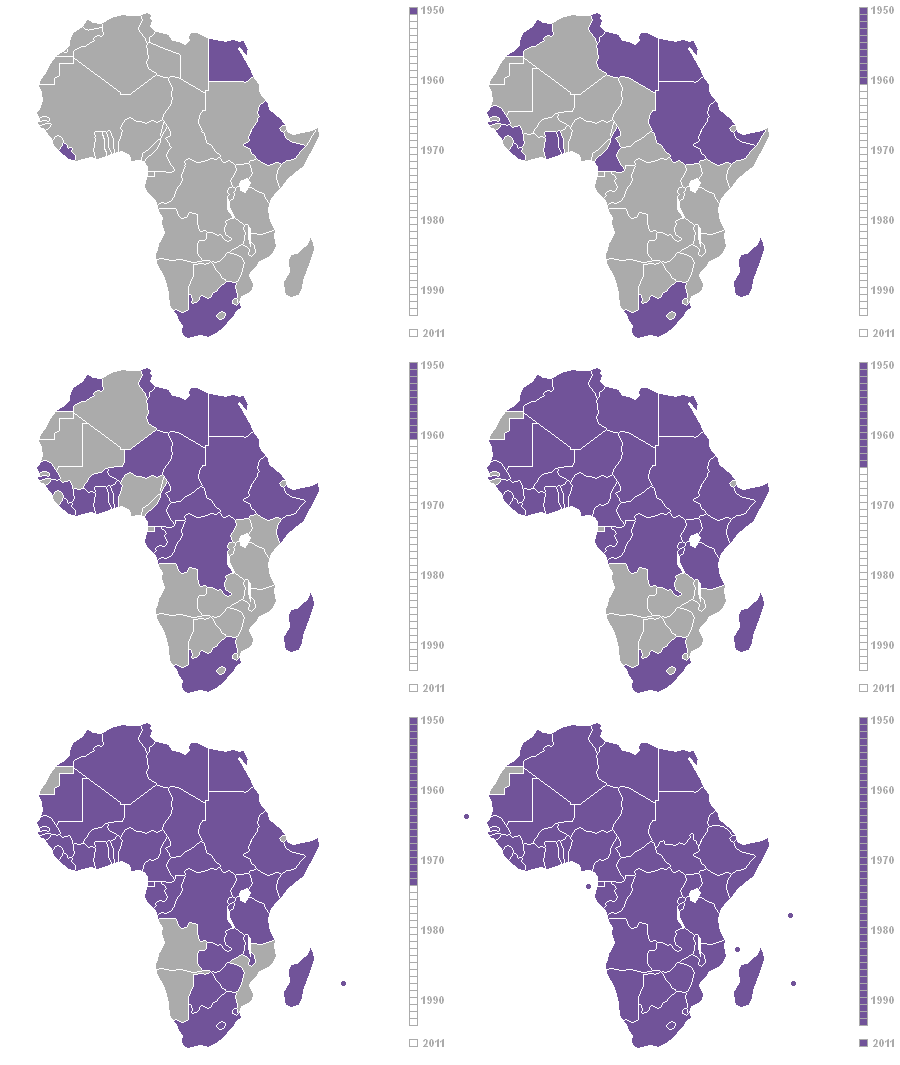 The decolonisation of Africa 1951–1994
 The Vietnam War 1955–1975 📜 The Cultural Revolution 1966–1976
 The Rwandan genocide April–July 1994
 The Partition of Ireland 1920–1925
 The Yugoslav Wars 1991–2001
 The Long March 1934–1935
🗺️ Geography
55Landmarks, cities, rivers and records — the places questions circle around.
Landmarks & wonders
 The Great Pyramid of Giza c. 2600 BC
 The Colosseum AD 72–80
 The Great Wall of China 7th century BC onwards; best-known sections 1368–1644
 Machu Picchu c. 1450
 Petra flourished 1st century BC – 1st century AD
 Stonehenge c. 3000–2000 BC
 The Taj Mahal commissioned 1631; complex completed 1653
 Angkor Wat c. 1113–1150
 The Eiffel Tower built 1887–1889
 The Statue of Liberty dedicated 28 October 1886
 Christ the Redeemer built 1922–1931
 The Sagrada Família begun 19 March 1882
 The Hagia Sophia completed AD 537
 The Alhambra begun 1238
 The Panama Canal opened 15 August 1914
 The Suez Canal opened 17 November 1869
Cities
 Istanbul founded as Byzantion c. 660 BC
 Rome traditionally founded 21 April 753 BC
 Venice traditionally founded 25 March 421
 Saint Petersburg founded 27 May 1703
 Budapest unified 17 November 1873
 Jerusalem Israel and Palestine — in the Judaean Hills, between the Mediterranean and the Dead Sea
 Cairo founded 969
 Kyoto founded as Heian-kyo in 794
 Timbuktu founded c. 1100
 Brasília inaugurated 21 April 1960
 Valletta foundation stone laid 28 March 1566
 Reykjavík settled c. 874; town charter 1786
 Luxor ancient Thebes; capital of Egypt in the Middle and New Kingdoms
 Nusantara construction began 2022; designated Indonesia's future capital by law in 2022
Physical geography
 The Sahara North Africa — spanning eleven countries from the Atlantic to the Red Sea
 The Amazon rainforest South America — nine countries, about 60% of it in Brazil
 The Great Barrier Reef Australia — off the Queensland coast, in the Coral Sea
 The Dead Sea Jordan, Israel and the West Bank — the Jordan Rift Valley
 Lake Baikal Russia — southern Siberia, between Irkutsk Oblast and Buryatia
 The Mariana Trench Western Pacific Ocean — east of the Mariana Islands, a US territory
 The Great Rift Valley East Africa and the Levant — Mozambique to Lebanon
 The Atacama Desert Chile — the Pacific coast of northern Chile, with edges in Peru, Bolivia and Argentina
 Victoria Falls first seen by a European in 1855
 The Ring of Fire The Pacific Ocean rim — from New Zealand through Asia and the Americas to Chile
 Mount Fuji last erupted 1707–08
 Uluru handed back to its traditional owners in 1985; climbing banned in 2019
 The Matterhorn first climbed 14 July 1865
 The Grand Canyon national park since 1919
 The Bosporus governed by the Montreux Convention of 1936
 The Strait of Gibraltar refilled by the Zanclean flood about 5.3 million years ago The Danube about 2,850 km long
 The Gulf of Carpentaria charted by the Dutch from 1606; named in 1623
Records & extremes
 The Caspian Sea Central Asia — bordered by Russia, Kazakhstan, Turkmenistan, Iran and Azerbaijan
 Greenland North America — an autonomous territory of the Kingdom of Denmark
 Vatican City founded 1929
 Longest river Africa and South America — the Nile against the Amazon
 Furthest point from Earth's centre Ecuador — the Andes, one degree south of the Equator
 Mount Everest official height agreed at 8,848.86 m in December 2020
 Lake Titicaca surface at about 3,812 m above sea level
🌿 Trees, plants & wildlife
398Identify it from the picture — trees, flowers, plants, birds and insects.
Trees
 English oak Deciduous · to 20–40 m · often 500+ years
 Sessile oak Deciduous · to 20–40 m
 Silver birch Deciduous · to 30 m · short-lived, rarely past 100 years
 Beech Deciduous · to 40 m · 250–350 years
 Ash Deciduous · to 35 m · last into leaf, first out
 Hornbeam Deciduous · to 30 m
 Field maple Deciduous · to 20 m
 Sycamore Deciduous · to 35 m · introduced, probably Tudor
 Horse chestnut Deciduous · to 40 m · introduced c. 1600
 Sweet chestnut Deciduous · to 35 m · Roman introduction
 Small-leaved lime Deciduous · to 32 m · can live 500 years
 Rowan Deciduous · to 15 m
 Hawthorn Deciduous · to 15 m · the May tree
 Blackthorn Deciduous · to 6–7 m · flowers March
 Alder Deciduous · to 28 m
 Goat willow Deciduous · to 10 m · flowers before leafing
 Aspen Deciduous · to 25 m
 Wych elm Deciduous · to 30 m
 Yew Evergreen conifer · to 20 m · some over 2,000 years
 Scots pine Evergreen conifer · to 35 m
 Norway spruce Evergreen conifer · to 40 m · reintroduced in the 16th century
 European larch Deciduous conifer · to 45 m · introduced c. 1620
 Ginkgo Deciduous · to 25–30 m · a lineage over 200 million years old
 Giant sequoia Evergreen conifer · to 90 m · over 3,000 years
 Downy birch Native · deciduous, to 30 m · wet heath, moor, bog margins and upland woods
 Wild cherry Native · deciduous, to 30 m · blossoms April · woods and hedgerows
 Bird cherry Native · deciduous, to 25 m · flowers April · wet woods and streamsides, north and west
 Crab apple Native · deciduous, to 10 m · blossom spring · hedges, scrub and wood edges
 Wild service tree Native · deciduous, to 25 m · flowers late spring · ancient oak and ash woods on clay and lime
 Common whitebeam Native to southern England · deciduous, to 20 m · flowers May · chalk and limestone, widely planted
 Black poplar Native · deciduous, to 30 m · one of Britain's rarest native trees · river floodplains and ditches
 White poplar Long-naturalised introduction (non-native per Woodland Trust) · deciduous, to 20 m · wet ground, coasts
 White willow Native · deciduous, to 25 m · flowers early spring · riversides and wet ground
 Large-leaved lime Native · deciduous · flowers early summer · rare, south-west England on limy soils
 Common lime Hybrid of the two native limes · deciduous · avenues, parks and streets
 English elm Long-established lowland tree (origin debated) · deciduous, to 30 m · hedgerows of England and Wales
 Smooth-leaved elm Native to southern England · deciduous, to 30 m · hedgerows, more resistant to Dutch elm disease
 Holly Native · evergreen, to 15 m · woods, hedges and scrub
 Box Native · evergreen, to 12 m · chalk and limestone slopes, e.g. Box Hill
 Strawberry tree Introduced to Britain (neophyte; native to Ireland) · evergreen · flowers and fruits in autumn · gardens, cliffs
 Juniper Native · evergreen conifer, low shrub to small tree, to 8 m · chalk downs, moorland and Scots pine woods
 Elder Native · deciduous, to 15 m · flowers late May–June · hedges, scrub, wasteland and woods
 Norway maple Introduced (neophyte, 17th century) · deciduous, to 25 m · streets, parks and plantations
 Common walnut Introduced, naturalised in lowland Britain · deciduous, to 35 m · parks, hedgerows and river banks
 Midland hawthorn Native · deciduous shrub or small tree, to 8 m · flowers from mid-April · ancient woods and clay hedgebanks
 Weeping willow Introduced hybrid (neophyte) · deciduous, to about 15 m · lakesides, rivers and gardens
 Holm oak Neophyte (introduced late 1500s) · evergreen to 20 m · coasts, parks and gardens in the south
 Turkey oak Neophyte (introduced 18th century) · deciduous to 30 m · parks, roadsides and woodland edges
 Red oak Neophyte (North American) · deciduous to 25 m · parks, estates and plantations
 London plane Neophyte (hybrid of 17th-century origin) · deciduous to 35 m · streets and city parks
 Tree of heaven Neophyte (in cultivation 1751) · deciduous to 25 m · city waste ground, railways and pavements
 Douglas fir Neophyte (introduced 1827) · evergreen conifer to 60 m+ · plantations, estates and Christmas-tree farms
 Sitka spruce Neophyte (introduced 1831) · evergreen conifer to 50 m+ · upland plantations in the west and north
 Western red cedar Neophyte (introduced 1853) · evergreen conifer to 60 m · hedges, plantations and parks
 Lawson cypress Neophyte (introduced 1854) · evergreen conifer to 45 m · parks, churchyards, gardens and hedges
 Leyland cypress Neophyte (hybrid arose 1888) · evergreen conifer to 40 m · hedges and gardens
 Cedar of Lebanon Neophyte (in Britain 1638) · evergreen conifer to 35 m · country-house parks and gardens
 Atlas cedar Neophyte (introduced 1840s) · evergreen conifer to 35 m · parks, gardens and churchyards
 Monkey puzzle Neophyte (introduced 1795) · evergreen conifer to 30 m · Victorian gardens, parks and front lawns
 Corsican pine Neophyte · evergreen conifer to 40 m · plantations, dunes, heaths and shelter belts
 Lodgepole pine Neophyte (introduced 1855) · evergreen conifer to 25 m · upland and peatland plantations
 Tulip tree Neophyte (introduced about 1650) · deciduous to 35 m · large parks and gardens
 Indian bean tree Neophyte (introduced 1720s) · deciduous to 15 m · parks, squares and gardens
 Laburnum Neophyte (garden tree since the 16th century) · deciduous to 8 m · gardens, parks and roadsides
 Japanese flowering cherry Neophyte (cultivars since the 19th century) · deciduous to 12 m · streets, parks and gardens
 Sweet gum Neophyte (introduced 1681) · deciduous to 25 m · parks, gardens and streets
 Coast redwood Neophyte (introduced 1843) · evergreen conifer, the world's tallest tree · estates, arboreta and plantations
 Black locust Neophyte (introduced about 1636) · deciduous to 25 m · streets, parks and waste ground
Shrubs
 Hazel Native · catkins from mid-February · woods, scrub and hedgerows
 Dogwood Native · flowers May–Jun · woodland edges and hedgerows, mainly southern England
 Spindle Native · flowers May–Jun · hedges, scrub and woodland edge on chalk
 Guelder rose Native · flowers May–Jul · damp hedgerows, fens and scrub
 Wayfaring tree Native · flowers May–Jun · chalk and limestone hedges and scrub
 Wild privet Native · flowers from June · hedgerows, scrub and calcareous grassland
 Purging buckthorn Native · flowers May–Jun · chalk scrub and hedges, England and Wales
 Alder buckthorn Native · flowers May–Jun · wet woodland, fens and acid heath
 Sea buckthorn Native on the English east coast, introduced elsewhere · berries autumn–winter · sand dunes and sea cliffs
 Dog rose Native · flowers May–Aug · hedgerows, woodland edge and scrub
 Field rose Native · flowers Jun–Jul · woodland edges, rides and unkempt hedges
 Burnet rose Native · flowers May–Jun · sand dunes, limestone pavement and coastal cliffs
 Sweet briar Native (local) · flowers Jun–Jul · calcareous scrub, downland and dunes
 Bramble Native · flowers Jun–Sep, fruit from late July · hedges, woodland, scrub and waste ground
 Wild raspberry Native · flowers in summer, fruit Jul–Aug · open woodland, heath and scrub, especially in the north and hills
 Common broom Native · flowers Apr–Jun · heathland, grassland, open woodland and hedgerows
 Butcher's broom Native in the south · flowers in spring, berries autumn–winter · dry woods, hedges and sea cliffs
 Honeysuckle Native · flowers Jun–Sep · woods and hedgerows
 Mezereon Native or alien in Britain · flowers late winter to early spring · calcareous woodland
 Spurge laurel Native · flowers Dec/Jan–Apr · open woods and hedges on chalk and limestone
 Barberry Native or archaeophyte · flowers May–Jun · hedgerows, scrub and coppice
 Tamarisk Neophyte (in gardens by 1571) · flowers summer · coasts, sea walls and hedges
 Red currant Native or alien · flowers in spring · woods, hedges, stream valleys and fen-carr
 Common rock-rose Native · flowers Jun–Sep · chalk and limestone grassland, heath and coasts
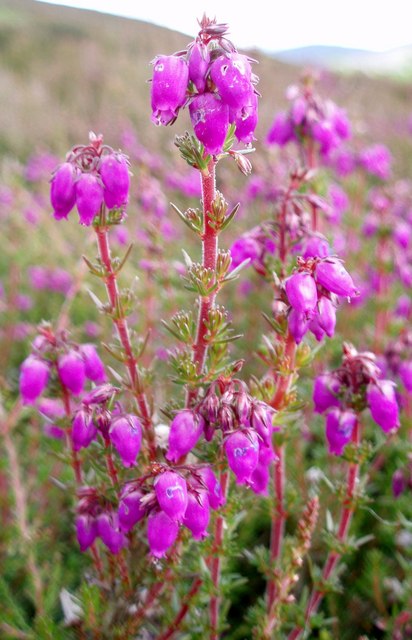 Bell heather Native · flowers Jul–Sep · dry heath and moor
 Cross-leaved heath Native · flowers Jun–Sep · bogs and wet heath
 Bilberry Native · deciduous, to 60 cm · flowers Apr–Jun · heath, moor and open woodland
 Cowberry Native · evergreen, to 30 cm · flowers late spring · upland heath and moor
 Crowberry Native · evergreen, creeping to 30 cm · flowers spring · moor, mountain and cliff
 Bearberry Native · evergreen mat · flowers spring · dry upland heath, mostly Scotland
 Bog myrtle Native · deciduous, to 1.5 m · catkins Apr · wet heath and bog
 Dwarf birch Native · deciduous, to 1 m · Highland blanket bog, above about 300 m
 Dwarf willow Native · prostrate mat, aerial shoots 5–10 cm · high mountain snow-beds
 Creeping willow Native · low shrub, to 2 m in upright forms · heath, bog margins and dune slacks
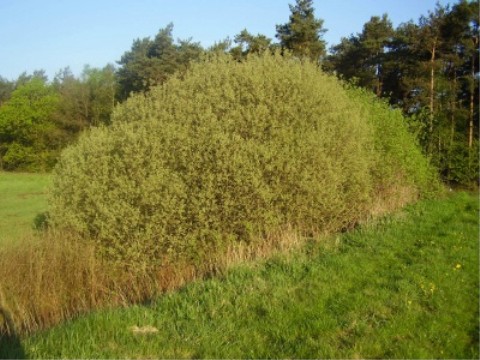 Grey willow Native · deciduous, to 10 m · catkins Mar–Apr · wet woodland, fen, ditches
 Osier Archaeophyte (introduced) · deciduous, to 6 m · wet ground, ditches and hedgerows
 Bay willow Native · deciduous, to about 10 m · catkins May–Jun · north England and Scotland, wet ground
 Rhododendron Neophyte · introduced 1763 · evergreen to 8 m · flowers May–Jun · woods and heath, west and north
 Cherry laurel Neophyte · planted by early 1600s · evergreen, 4–8 m · flowers spring · hedges, woods, parks
 Buddleia Neophyte · from China, wild by 1922 · to 4 m · flowers Jun–Oct · railways, walls and waste ground
 Fuchsia Neophyte · from Chile and Argentina · to 3 m · flowers summer–autumn · hedges in the mild west
 Wall cotoneaster Neophyte · from China · deciduous, to 90 cm · flowers late spring · walls, waste ground, limestone
 Snowberry Neophyte · introduced 1817 · deciduous, to 2 m · fruit autumn–winter · hedges, woods, waste ground
 Oregon grape Neophyte · from western North America · evergreen, 0.5–1 m · flowers Mar–Jun · hedges, woods, waste ground
 Firethorn Neophyte · Old World species · evergreen, 2.5–4 m · flowers late spring · walls, hedges and gardens
 Japanese rose Neophyte · from east Asia · first wild record 1917 · to 2 m · flowers Jun–Oct · dunes, roadsides, hedges
 Western gorse Native · low evergreen spiny shrub · flowers Aug–Nov · heaths and sea-cliffs, west and north
 Dwarf gorse Native · low spiny evergreen · flowers Jul–Nov · lowland heath, mainly south-east England
Wildflowers & flowers
 Bluebell Flowers mid-April to late May
 Snowdrop Flowers January to March
 Primrose Flowers March to May
 Cowslip Flowers April to May
 Wood anemone Flowers March to May
 Lesser celandine Flowers February to May
 Ramsons Flowers April to May
 Foxglove Biennial · flowers June to September
 Common poppy Annual · flowers June to August
 Cornflower Annual · flowers June to August
 Ox-eye daisy Flowers June to September
 Meadowsweet Flowers June to September
 Rosebay willowherb Flowers June to September
 Common knapweed Flowers June to September
 Bird's-foot trefoil Flowers May to September
 Wild thyme Flowers June to September
 Marsh marigold Flowers March to July
 Yellow flag iris Flowers May to August
 Early purple orchid Flowers April to June
 Bee orchid Flowers June to July
 Sea thrift Flowers April to July
 Heather Flowers August to October
 Gorse Evergreen shrub · flowers chiefly January to June
 Teasel Biennial · flowers July to August
 Dog's mercury Native · flowers Feb–Apr · ancient woodland and shady hedge banks
 Goldilocks buttercup Native · flowers Mar–May, peaking April · deciduous woodland on base-rich soils
 Sweet violet Native · flowers Mar–May · woodland edges and hedge banks
 Moschatel Native · flowers in spring, gone by May or June in the lowlands · shaded woodland, stream banks and hedge banks
 Wood sorrel Native · flowers Apr–May · cool, damp, ancient woodland
 Common dog-violet Native · flowers Apr–Jun · woods, hedgerows, heaths and grassland
 Lesser periwinkle Archaeophyte (in British gardens by 995) · flowers Apr–Sep · hedge banks, woodland margins and old garden sites
 Cuckoo flower Native · flowers in spring, about when the cuckoo returns · damp grassland, verges and stream banks
 Garlic mustard Native · flowers Apr–Jun · shady hedge banks, woodland edges and waste ground
 Greater stitchwort Native · flowers Apr–Jun · hedge banks, verges and deciduous woodland
 Lords-and-ladies Native · flowers Apr–May, berries in autumn · woodland and hedgerows
 Wild strawberry Native · flowers Apr–Jul, fruits from June · hedge banks, woodland edges and chalk grassland
 Wood spurge Native · flowers Apr–Jun · damp, coppiced woodland, mainly southern England
 Ground ivy Native · flowers in spring · woods, hedgerows, meadows, wasteland and lawns
 Bugle Native · flowers in spring · damp woods, hedge banks and meadows
 Green alkanet Neophyte (introduced over 300 years ago) · flowers spring to summer · shady hedgerows and verges, mainly southern England
 Cow parsley Native · flowers Apr–Jun · verges, hedgerows and woodland edges
 Red campion Native · flowers May–Sep · woodland edges, hedge banks and verges
 White campion Archaeophyte (thought to arrive with Neolithic farmers) · flowers May–Oct · verges, field margins and waste ground
 Herb Paris Native · flowers May–Jun · ancient woodland on moist, chalky soils
 Yellow archangel Native (wild form) · flowers May–Jun · ancient woodland and hedgerows, mainly England and Wales
 Lily of the valley Native · flowers May–Jun · dry, chalky ancient woodland and limestone
 Herb robert Native · flowers May–Sep · woodland edges, walls, shady banks
 Hogweed Native · flowers May–Aug · verges, hedgerows and rough grassland
 Meadow buttercup Native · flowers Apr–Oct · meadows, pastures and damp grassland
 Creeping buttercup Native · flowers Apr–Aug · lawns, damp pasture, verges and gardens
 Red clover Native · flowers May–Oct · meadows, pastures, verges and lawns
 White clover Native · flowers Jun–Sep · lawns, pastures, verges and almost any grass
 Common vetch Native (BSBI), with a sown fodder subspecies long grown as a crop · flowers May–Sep · grassland, verges, farmland and dunes
 Tufted vetch Native · flowers Jun–Aug · hedgerows, rough grassland, scrub and verges
 Meadow vetchling Native · flowers May–Aug · rough grassland, verges and waste ground
 Yellow rattle Native annual · flowers May–Sep · hay meadows, pastures and dunes
 Eyebright Native · flowers May–Sep · short grassland, heath and downland
 Ragged robin Native · flowers May–Jun · damp meadows, fens and wet woodland
 Field scabious Native · flowers summer to autumn · chalk and limestone grassland, verges and hedgebanks
 Devil's-bit scabious Native · flowers Jun–Oct · damp meadows, fens, marshes and wet heath
 Betony Native · flowers Jun–Oct · grassland, hedgebanks, heaths and woodland rides
 Greater knapweed Native · flowers Jun–Sep · chalk and limestone grassland, verges and cliffs
 Salad burnet Native · flowers May–Sep · chalk and limestone grassland
 Lady's bedstraw Native · flowers Jun–Sep · dry meadows, verges, dunes and cliff tops
 Rough hawkbit Native · flowers summer to early autumn · hay meadows, pastures, chalk and limestone grassland
 Yarrow Native · flowers Jun–Nov · lawns, verges, meadows and pastures
 Selfheal Native · flowers Jun–Oct · short turf, verges, woodland clearings and lawns
 Harebell Native · flowers Jul–Sep · dry grassland, heaths, dunes and cliff tops
 Meadow cranesbill Native · flowers Jun–Aug · lowland hay meadows, verges and chalky grassland
 Field forget-me-not Archaeophyte (pre-1500 introduction) · flowers spring to autumn · fields, verges, open ground and dry grassland
 Musk mallow Native · flowers Jul–Aug · verges, pastures, hedgerows and churchyards
 Agrimony Native · flowers Jun–Aug · grassy places, verges and hedgerows
 Dandelion Native · flowers March to October, often much longer · lawns, verges, waste ground
 Daisy Native · flowers almost all year, peak March to September · lawns and short turf
 Common ragwort Native · biennial, flowers June to November · grassland, verges, waste ground
 Hedge bindweed Native · perennial climber, flowers June to September · hedges, fences, riverbanks
 Common mallow Archaeophyte · flowers June to October · waste ground, verges, hedge banks
 Chicory Archaeophyte · flowers July to October · dry grassy waste ground, verges
 Wild carrot Native · biennial, flowers June to September · chalk grassland, verges, sea cliffs
 Viper's bugloss Native · biennial, flowers May to September · chalk grassland, dunes, shingle, cliffs
 Red bartsia Native · annual, flowers June to September · verges, cuttings, damp grassland
 Common toadflax Native · perennial, flowers June to November · grassland, verges, waste ground
 Oxford ragwort Neophyte · flowers spring to late autumn, sometimes winter · walls, railways, waste ground
 Bladder campion Native · perennial, flowers May to September · grassland, verges, field edges
 Corn marigold Archaeophyte · annual, flowers June to October · arable fields, sown margins, waste ground
 Scentless mayweed Archaeophyte · annual, flowers June to October · arable land, tracks, waste ground
 Shepherd's purse Archaeophyte · annual, flowers all year · fields, tracks, gardens, waste ground
 Common chickweed Native · annual, flowers all year · gardens, arable land, waste ground
 Groundsel Native · annual, flowers all year · gardens, arable fields, waste ground
 Colt's-foot Native · perennial, flowers February to April, before its leaves · clay banks, waste ground, verges
 Creeping thistle Native · perennial, flowers June to October · field edges, verges, waste ground
 Spear thistle Native · biennial, flowers July to October · pastures, verges, field edges
 Hemp-agrimony Native · perennial, flowers July to September · fens, damp woodland, riverbanks
 Tansy Native or archaeophyte · perennial, flowers July to September · riverbanks, verges, rough grassland
 Field pansy Archaeophyte · annual, flowers April to October · arable fields, verges, waste ground
 Red valerian Neophyte (before 1600s) · perennial, flowers May to October · walls, cliffs, railway cuttings
 White water-lily Native · flowers Jun–Aug · still and slow fresh water
 Yellow water-lily Native · flowers Jun–Sep · ponds, lakes, canals and slow rivers
 Water forget-me-not Native · flowers Jun–Sep · stream, ditch and pond margins
 Water mint Native · flowers Jul–Oct · wet ground and water margins
 Purple loosestrife Native · flowers Jun–Aug · fens, reedbeds and riverbanks
 Yellow loosestrife Native · flowers Jul–Sep · riversides, lakesides and wet ground
 Bogbean Native · flowers Mar–Jun · bogs, fens, pond and lake margins
 Water-crowfoot Native · flowers May–Sep · ponds, ditches, streams and chalk rivers
 Flowering rush Native (scarce in the north) · flowers Jul–Aug · canals, ditches and slow rivers
 Water avens Native · flowers May–Sep · damp meadows, streamsides and wet woods
 Marsh cinquefoil Native · flowers May–Jul · bogs, fens and wet moorland
 Common cottongrass Native · cottony fruiting heads from early summer · bogs, wet heaths and moorland
 Round-leaved sundew Native · flowers Jun–Aug · acid bogs, wet heath and moorland
 Common butterwort Native · flowers May–Jul · wet moorland, flushes and acid bogs, mainly north and west
 Bog asphodel Native · flowers Jun–Sep · peat bogs, damp heath and moor
 Marsh violet Native · flowers Apr–Jul · marshes, bogs and wet woodland on acid soils
 Brooklime Native · flowers May–Sep · streams, ditches and wet margins
 Himalayan balsam Neophyte, introduced 1839 · flowers Jul–Oct · riverbanks, ditches and damp ground
 Bulrush (great reedmace) Native · flowers Jul–Aug · lakes, ponds, rivers and marshes
 Water plantain Native · flowers Jun–Sep · shallow water and muddy margins
 Arrowhead Native · flowers Jun–Sep · shallow ponds, canals and slow rivers
 Frogbit Native · flowers Jul–Aug · ponds, ditches and dykes
 Marsh woundwort Native · flowers Jun–Oct · pond, river and canal margins and damp ground
 Marsh thistle Native · flowers Jun–Sep · wet meadows, fens, ditches and bogs
 Sea campion Native · flowers May–Sep · sea cliffs, shingle and rocky shores
 Sea holly Native · flowers Jul–Sep · sand dunes and fine shingle
 Sea kale Native · flowers early summer · shingle beaches and sand
 Sea lavender Native · flowers Jul–Oct · saltmarsh and muddy creeks
 Sea aster Native · flowers Jul–Oct · saltmarsh and estuary mud
 Marsh samphire Native annual · flowers Aug–Sep · saltmarsh mud and estuary flats
 Yellow horned-poppy Native · flowers Jun–Sep · shingle beaches, cliffs and dunes
 Sea bindweed Native · flowers Jun–Aug · sand dunes and sandy shingle
 Kidney vetch Native · flowers Jun–Sep · sand dunes, chalk grassland and sea cliffs
 Bloody cranesbill Native · flowers Jun–Aug · limestone grassland, dunes and coastal rocks
 Rock samphire Native · flowers Jul–Aug · sea cliffs, sea walls and rocky shores, mainly south and west
 Wild pansy (heartsease) Native · flowers Apr–Sep · grassland, dunes, arable margins and waste ground
 Mountain avens Native · flowers May–Jul · limestone and basic rock in the mountains and north-west coasts
 Purple saxifrage Native · flowers Feb–Jun · damp basic rocks and screes in the mountains
 Mountain pansy Native · flowers May–Jul · upland grassland, limestone pasture and old mine spoil
 Moss campion Native · flowers Jun–Aug · mountain ledges, screes and high tops
 Alpine lady's-mantle Native · flowers Jun–Aug · mountain grassland, rocks and snow-beds
 Spring gentian Native · flowers Apr–early Jun · sugar limestone grassland, Upper Teesdale only
 Field gentian Native biennial · flowers late summer–autumn · short, old, unimproved grassland
 Clustered bellflower Native · flowers summer · chalk and limestone grassland, scrub edges and verges
 Round-headed rampion Native · flowers Jul–Aug · chalk downland, almost only the South Downs
 Pasqueflower Native · flowers Mar–May · dry chalk and limestone grassland, England only
 Chalk milkwort Native · flowers May–Jun · old chalk and limestone grassland, southern England
 Bird's-eye primrose Native · flowers May–Jun · damp limestone flushes and grassland in the northern Pennines
 Common spotted orchid Native · flowers May–Aug · grassland, open woodland, fen, verges
 Pyramidal orchid Native · flowers Jun–Jul · chalk grassland, dunes, verges, quarries
 Southern marsh orchid Native · flowers May–Aug · damp meadows, fens, quarries and clay-pits
 Lady's slipper orchid Native · flowers late May–early Jun · limestone woods and pastures; extremely rare
 Fly orchid Native · flowers May–Jul · chalk and limestone woods, scrub and grassland
 Man orchid Native · flowers late May–Jun · south-facing chalk and limestone grassland
 Lizard orchid Native · flowers Jun–Jul · chalk grassland, dunes and quarries in south-east England
 Military orchid Native · flowers May–Jun · chalk grassland and woodland glades; three sites
 Monkey orchid Native · flowers May–Jun · grazed chalk grassland; three sites
 Frog orchid Native · flowers Jun–Jul · short grassland, downs, machair, hay meadows
 Greater butterfly orchid Native · flowers May–Jul · chalk hay meadows, grassland and ancient woodland
 Fragrant orchid Native · flowers Jun–Jul · chalk grassland, heath and moor
 Burnt orchid Native · flowers mid-May–Jun, and a late form Jul–Aug · short chalk grassland
 Green-winged orchid Native · flowers Apr–Jun · unimproved old meadows and pastures
 Common twayblade Native · flowers May–Jul · woods, grassland, scrub and dunes on lime-rich soil
 Bird's-nest orchid Native · flowers May–Jul · shaded woodland, especially beech
 Broad-leaved helleborine Native · flowers Jul–Sep · woods, scrub, waste ground and gardens
 Marsh helleborine Native · flowers Jul–Aug · fens, wet grassland and dune slacks
 Autumn lady's-tresses Native · flowers late Aug–early Sep · short turf, dunes, cliff-tops, lawns
 Musk orchid Native · flowers mid-Jun–early Aug · short chalk and limestone turf
 Ghost orchid Native · flowers rarely, late summer · deep leaf litter of beech and oak woods; Critically Endangered
 Early marsh orchid Native · flowers May–Jul · base-rich fens, wet meadows and dune slacks
Ferns, grasses & other plants
 Bracken Deciduous fern · fronds to 2–3 m
 Hart's-tongue fern Evergreen fern · fronds 20–60 cm
 Male fern Deciduous fern · fronds to 1.5 m
 Sphagnum moss Perennial moss · around 300 species worldwide
 Common ivy Evergreen climber · to 30 m
 Mistletoe Evergreen hemiparasite · berries December–February
 Old man's beard Deciduous climber · to 20 m · flowers July–September
 Common reed Perennial grass · to 4 m · flowers August–October
 Cock's-foot Perennial grass · to 1.4 m · flowers June–September
 Stinging nettle Perennial · to 1.5 m · flowers June–September
 Common duckweed Annual to perennial · fronds 1.5–4 mm
 Dragon's blood tree Evergreen tree · to 10 m · IUCN Vulnerable
 Rafflesia arnoldii Flower to about 1 m across · named 1820
 Titan arum Inflorescence to 3 m · first flowered at Kew 1889 · IUCN Endangered
 Welwitschia Perennial gymnosperm · often 1,000+ years old
 Giant water lily Leaves to 3 m across · named 1837
 Saguaro Columnar cactus · to about 15 m · lives 150–200 years
 Baobab Deciduous tree · to 25 m · some over 1,000 years old
 Common polypody Native · evergreen fern to about 30 cm · rocks, walls, banks and mossy trees
 Lady fern Native · deciduous fern to 1.2 m · damp woods, hedgerows and stream banks
 Royal fern Native · deciduous fern to 1.5 m or more · bogs, wet woods and ditches, mainly in the west
 Adder's-tongue fern Native · above ground June–August · old meadows and dune slacks
 Marsh horsetail Native · perennial spore plant 10–60 cm · marshes, wet meadows and fens
 Great horsetail Native · sterile shoots 30–150 cm, rarely over 2 m · springs and seepages on clay
 Field horsetail Native · shoots to about 60 cm · arable land, verges, banks and gardens
 Juniper haircap Native moss · shoots 3–4 cm · dry acid heath, burnt ground and spoil
 Common haircap Native moss · shoots up to 40 cm, usually about 20 cm · bogs, wet heath and damp acid woodland
 Marram grass Native · flowers July–August · to about 1 m · sand dunes all round the coast
 Sheep's fescue Native · densely tufted perennial grass · acid and chalk grassland, heath and mountain
 Perennial ryegrass Native · flowers May–summer · to about 50 cm · pasture, verges and lawns
 Yorkshire fog Native · flowers May–August · to 1 m · meadows, rides, waste ground and lawns
 Common couch Native · flowers June–August · to 1.5 m · arable fields, verges and waste ground
 Tufted hair-grass Native · flowers June–August · tussocks to 1.2 m · wet meadows, woodland rides and heavy soils
 Purple moor-grass Native · flowers July–September · tussocks to 1.2 m · wet heath, bog, moor and rush pasture
 Jointed rush Native · flowers in summer · wet ground, ditches, dune slacks and pond edges
 Soft rush Native · flowers May–July · to 1.5 m · wet grassland, marsh, ditches and heath
 Pendulous sedge Native · flowers May–July · to 1.5 m · wet woodland, clay soils and stream banks
 Japanese knotweed Neophyte, introduced 1825 · shoots to over 2 m · roadsides, riverbanks, railways and waste ground
 Giant hogweed Neophyte, introduced in the 19th century · flowers June–July · 1.5–5 m · riverbanks, waste ground and verges
 Wild hop Native · flowers July–September · twining climber to 6 m or more · hedgerows, fens and river banks
 Black bryony Native · flowers May–August, berries autumn · twining climber to 4 m · hedgerows and wood edges
 White bryony Native · flowers May–August, berries autumn and winter · climber to 4 m · hedgerows, mainly southern and eastern England
Fungi


Birds
 Bittern Resident · 69–81 cm
 Corncrake Summer visitor · 27–30 cm
 Capercaillie Resident · male to 6.5 kg
 Black grouse Resident · 45–60 cm
 Ptarmigan Resident · 34–36 cm
 Hen harrier Resident · wingspan 100–120 cm
 Red kite Resident · wingspan 175–195 cm
 White-tailed eagle Resident · wingspan 200–245 cm
 Osprey Summer visitor · wingspan 145–170 cm
 Golden eagle Resident · wingspan 190–225 cm
 Avocet Resident and summer visitor · 42–46 cm
 Stone-curlew Summer visitor · 40–44 cm
 Nightjar Summer visitor · 24–28 cm
 Dartford warbler Resident · 12–13 cm
 Bearded reedling Resident · 14–15.5 cm
 Cirl bunting Resident · 15–16.5 cm
 Chough Resident · 39–40 cm
 Golden oriole Scarce summer visitor · 24 cm
 Hoopoe Scarce passage migrant · 25–32 cm
 Waxwing Winter visitor · 18–21 cm
 Snow bunting Scarce breeder and winter visitor · 16–17 cm
 Common crane Resident and passage · 1.2 m tall
 Spoonbill Summer visitor and passage · 80–93 cm
 Nightingale Summer visitor · 15–16.5 cm
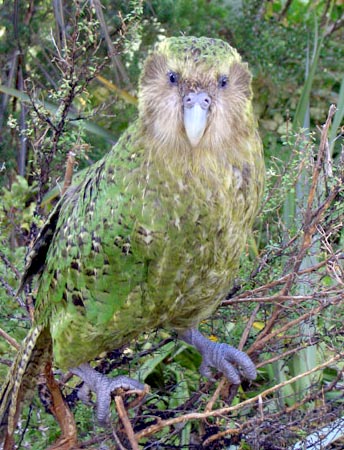 Kakapo Critically Endangered · 325 birds (DOC, September 2026)
 North Island brown kiwi Vulnerable (IUCN) · c. 24,500 birds
 Shoebill Vulnerable · 3,300–5,300 mature individuals (BirdLife)
 Harpy eagle Vulnerable (IUCN, uplisted 2021)
 Philippine eagle Critically Endangered · c. 400 breeding pairs
 California condor Critically Endangered · 607 birds, 392 wild (31 Dec 2025)
 Andean condor Vulnerable (IUCN, uplisted 2020) · c. 6,700 mature individuals
 Whooping crane Endangered · c. 540 in the Aransas–Wood Buffalo flock (winter 2025–26)
 Spoon-billed sandpiper Critically Endangered · c. 443 mature individuals (2024 estimate)
 Bali myna Critically Endangered · wild population in the low hundreds at most
 Hyacinth macaw Vulnerable · c. 4,300–4,700 mature individuals
 Kea Endangered · c. 3,000–7,000 birds
 Secretarybird Endangered (IUCN, uplisted 2020) · fewer than 10,000 mature individuals
 Resplendent quetzal Near Threatened · 20,000–50,000 birds
 Greater bird-of-paradise Least Concern · New Guinea and the Aru Islands
 Hoatzin Least Concern · national bird of Guyana
 Oilbird Least Concern · northern South America and Trinidad
 Superb lyrebird Least Concern · south-eastern Australia
 Emperor penguin Endangered (IUCN, uplisted April 2026)
 Wandering albatross Vulnerable · c. 20,000 mature individuals
 Great bustard Endangered (IUCN, uplisted 2023) · c. 44,000–57,000 birds
 Takahe Endangered · c. 500+ birds (DOC)
Insects & other invertebrates
 Peacock butterfly On the wing July–September and again March–May · wingspan 63–69 mm
 Red admiral Seen in almost every month; most numerous August–October · wingspan 64–78 mm
 Painted lady Migrant, May–October · wingspan 58–74 mm
 Small tortoiseshell On the wing March–October in two or three broods · wingspan 45–62 mm
 Orange-tip Single brood, April–June · wingspan 40–52 mm
 Brimstone One brood; adults live up to about a year · wingspan 60–74 mm
 Purple emperor One brood, late June to mid-August · wingspan 70–92 mm
 Swallowtail Chiefly late May to early July, with a partial second brood in hot years · wingspan 76–93 mm
 Large blue One brood, mid-June to mid-July · wingspan 38–44 mm
 Death's-head hawkmoth Immigrant, chiefly August–October · wingspan 90–130 mm
 Elephant hawkmoth One brood, May–July · wingspan 45–60 mm
 Hummingbird hawkmoth Immigrant, chiefly June–September · wingspan 50–58 mm
 Seven-spot ladybird Adults March–October, hibernating over winter · 5–8 mm
 Harlequin ladybird Established in Britain since 2004 · 6–8 mm
 Stag beetle Adults on the wing May–August · males to about 75 mm
 Devil's coach horse Adults chiefly April–October · 20–32 mm
 Emperor dragonfly Flies June–August · body length about 78 mm
 Banded demoiselle Flies May–August · body length about 45 mm
 Buff-tailed bumblebee Queens from February; colonies now often winter-active in the south · queens to about 22 mm
 Red mason bee Univoltine, flying late March or April to June · 8–12 mm
 Hornet Colonies annual, May–November · queens to about 35 mm
 Common wasp Colonies annual, April–November · workers 12–17 mm
 Garden spider Adults most conspicuous August–October · female 10–18 mm, male 4–8 mm
 Glow-worm Females glow on warm still nights, chiefly June–July · female to about 25 mm
🫀 Anatomy
242Bones, muscles, organs, the brain and the senses — name the structure from the picture.
Bones
 Frontal bone The forehead bone
 Parietal bone Paired bones of the skull vault
 Temporal bone Home of the ear
 Occipital bone The back and base of the skull
 Sphenoid bone The keystone of the skull
 Ethmoid bone The sieve bone
 Mandible Largest and strongest bone of the face
 Maxilla The upper jaw
 Zygomatic bone The cheekbone
 Nasal bone The bridge of the nose
 Vomer The ploughshare bone
 Hyoid bone The bone that touches no other bone
 Atlas (C1) First cervical vertebra
 Axis (C2) Second cervical vertebra
 Lumbar vertebra Five vertebrae, L1 to L5
 Thoracic vertebra Twelve vertebrae, T1 to T12
 Sacrum Five fused vertebrae
 Coccyx The tailbone
 Sternum The breastbone
 Rib Twelve pairs
 Vertebral column About 33 vertebrae in five regions
 Cervical vertebra Seven vertebrae, C1 to C7
 Foramen magnum The 'big hole' of the skull
 Skull 22 bones, 21 of them immobile
 Clavicle The collarbone
 Scapula The shoulder blade
 Humerus Longest bone of the upper limb
 Radius The thumb-side forearm bone
 Ulna The little-finger-side forearm bone
 Scaphoid The most commonly fractured carpal bone
 Lunate Crescent-shaped carpal bone
 Carpal bones Eight bones in two rows
 Metacarpal bones Five bones of the palm
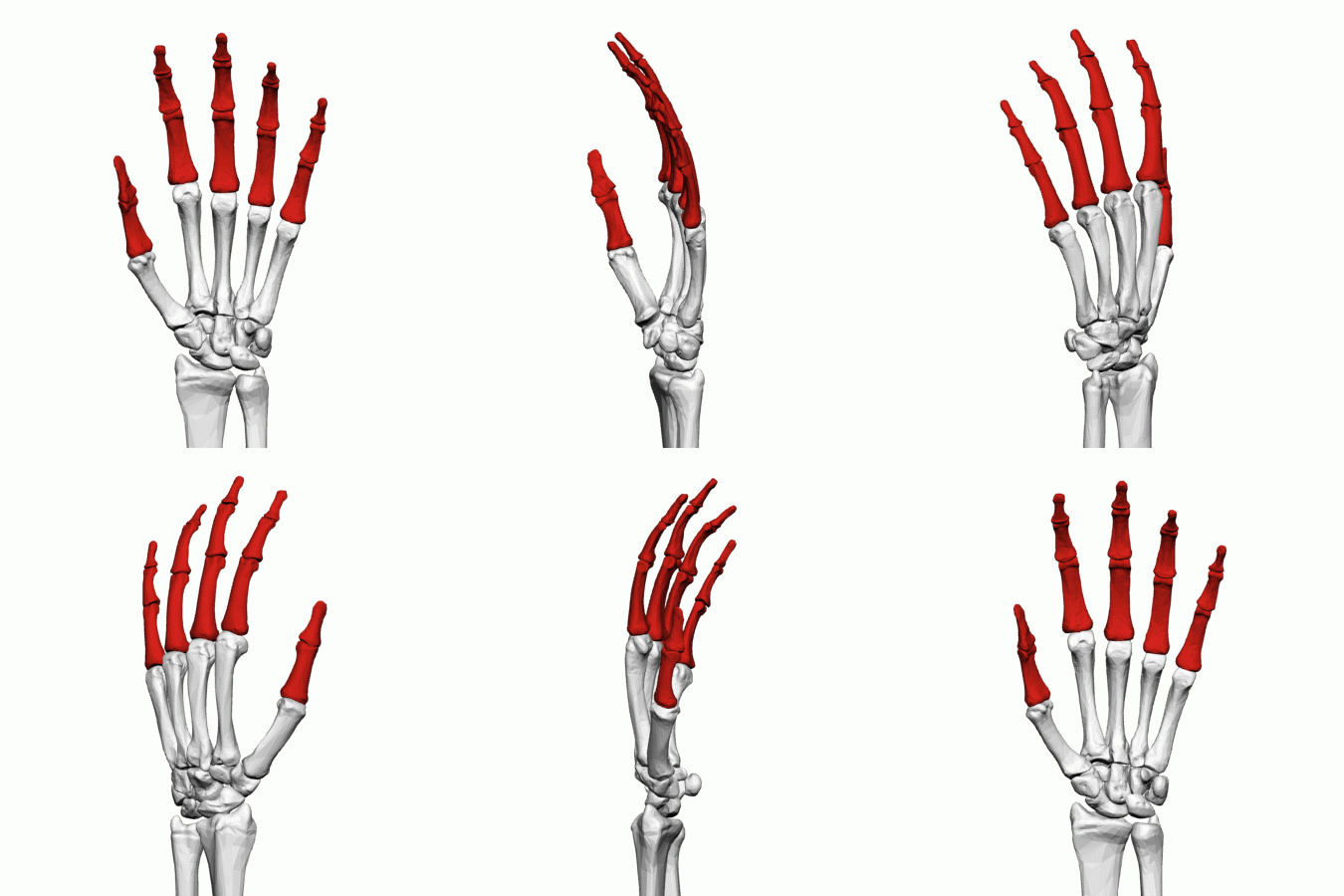 Phalanges The finger and toe bones
 Hip bone Also the coxal bone, os coxae or innominate bone
 Pelvis Latin for 'basin'
 Femur Longest bone in the body
 Patella The kneecap — the largest sesamoid bone
 Tibia Second longest bone in the body
 Fibula The slender bone of the lateral leg
 Talus The ankle bone (astragalus)
 Calcaneus The heel bone — the largest bone of the foot
 Tarsal bones Seven bones of the hindfoot and midfoot
 Metatarsal bones Five long bones of the mid-foot
 Navicular bone The boat-shaped bone of the foot
 Ilium The largest and uppermost part of the hip bone
 Ischium The 'sitting bone' of the hip bone
 Pubis The anterior part of the hip bone
Joints & cartilage
 Shoulder joint The most mobile joint in the body
 Elbow joint A hinge with a pivot built in
 Wrist joint A condyloid (ellipsoid) joint
 Hip joint The deepest ball-and-socket joint
 Knee joint The largest joint in the body
 Ankle joint A mortise-and-tenon hinge 🫀 Temporomandibular joint The joint of the jaw
 Intervertebral disc 23 in the human spine 🫀 Meniscus 'Little moon' in Greek 🫀 Anterior cruciate ligament The knee's most famous ligament 🫀 Posterior cruciate ligament The stronger of the two cruciates
 Achilles tendon Named in 1693
 Rotator cuff Four muscles: SITS
 Articular cartilage Glassy, smooth and avascular
 Sacroiliac joint Links spine to pelvis 🫀 Pubic symphysis A cartilaginous joint of the pelvis 🫀 Synovial joint Freely movable (diarthrosis)
 Bursa Latin for 'purse' 🫀 Carpal tunnel Nine tendons and a nerve
 Plantar fascia Also the plantar aponeurosis
 Cranial sutures Fibrous joints of the skull 🫀 Ligamentum flavum Latin for 'yellow ligament'
Muscles
 Masseter The muscle popularly called the strongest for its size
 Temporalis The fan-shaped muscle of the temple
 Sternocleidomastoid The landmark muscle that splits the neck into triangles
 Trapezius Named for its diamond or trapezoid shape 🫀 Platysma A flat sheet under the skin of the neck
 Diaphragm The main muscle of breathing
 Pectoralis major The large fan-shaped muscle of the upper chest
 Pectoralis minor The thin triangular muscle that divides the axillary artery into three parts
 Serratus anterior The boxer's muscle
 Rectus abdominis The six-pack muscle 🫀 External oblique The 'hands in pockets' muscle 🫀 Transversus abdominis The body's natural corset 🫀 Erector spinae Three columns known as iliocostalis, longissimus and spinalis
 Latissimus dorsi The broadest muscle of the back
 Rhomboid muscles Rhomboid major and rhomboid minor
 Intercostal muscles Three layers between the ribs 🫀 Orbicularis oculi The muscle of the blink and the genuine smile 🫀 Orbicularis oris The muscle of the lips
 Buccinator The trumpeter's muscle
 Frontalis The muscle that raises the eyebrows
 Psoas major The hip flexor that is also the tenderloin 🫀 Quadratus lumborum The deep muscle of the loin that hitches the hip 🫀 Pelvic floor Levator ani and coccygeus, also called the pelvic diaphragm
 Levator scapulae The raiser of the shoulder blade
 Deltoid The rounded cap of the shoulder
 Biceps brachii Two-headed muscle of the front of the arm
 Triceps brachii Three-headed extensor of the elbow
 Brachialis The 'workhorse' of elbow flexion
 Supraspinatus Most commonly torn rotator cuff muscle
 Infraspinatus Main lateral rotator of the arm
 Teres major 'Lat's little helper'
 Gluteus maximus Largest muscle in the body by mass
 Gluteus medius Abductor that keeps the pelvis level
 Rectus femoris The quadriceps head that crosses the hip
 Quadriceps femoris Four-headed extensor of the knee
 Sartorius The longest muscle in the human body
 Biceps femoris The lateral hamstring
 Hamstrings Three muscles of the back of the thigh
 Adductor magnus Largest of the adductors, part hamstring
 Gracilis The slender adductor that crosses the knee
 Tibialis anterior Main dorsiflexor of the ankle
 Gastrocnemius The two-headed muscle of the calf
 Soleus The deep, flat calf muscle
 Popliteus The muscle that 'unlocks' the knee
 Vastus lateralis The outer head of the quadriceps
 Fibularis longus Formerly peroneus longus
 Plantaris The vestigial muscle with the very long tendon
 Vastus medialis The inner head of the quadriceps
Organs & viscera
 Lung Right lung three lobes, left lung two 🫀 Trachea The windpipe 🫀 Bronchus Main airway branch to the lungs
 Alveolus About 0.2 to 0.3 mm across Liver The largest internal organ
 Gallbladder A pear-shaped sac holding about 30 to 50 mL
 Stomach J-shaped, in the left upper abdomen
 Duodenum First part of the small intestine 🫀 Jejunum Upper two-fifths of the free small intestine 🫀 Ileum Lower three-fifths of the free small intestine
 Colon About 1.5 m of large bowel
 Caecum First part of the large intestine
 Appendix Vermiform appendix
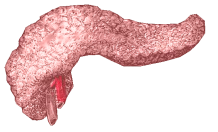 Pancreas About 12 to 15 cm long, retroperitoneal
 Spleen Largest lymphoid organ Kidney Bean-shaped, retroperitoneal, T12 to L3
 Ureter About 25 cm long, 3 mm wide
 Urinary bladder Holds about 400 to 600 mL
 Oesophagus About 25 cm long
 Rectum About 12 cm long
 Larynx The voice box, at about C3 to C6
 Pharynx About 12 to 14 cm long 🫀 Thymus Largest in childhood, shrinks after puberty
 Peritoneum The largest serous membrane in the body
Heart & blood vessels
Heart Four chambers, about 100,000 beats a day  Left ventricle Thickest chamber wall
 Right atrium Receives all the body's deoxygenated blood
 Aorta Largest artery in the body 🫀 Superior vena cava Drains everything above the diaphragm, bar the heart and lungs
 Inferior vena cava Largest vein in the body 🫀 Pulmonary artery Carries deoxygenated blood to the lungs 🫀 Pulmonary vein Carries oxygenated blood from the lungs
 Coronary arteries The heart's own blood supply 🫀 Mitral valve The only heart valve with two cusps 🫀 Tricuspid valve Three cusps, right side of the heart
 Aortic valve Three semilunar cusps
 Carotid artery Main arterial supply to the head and neck
 Jugular vein Main venous drainage of the head and neck
 Femoral artery Main artery of the thigh 🫀 Subclavian artery Artery beneath the collarbone 🫀 Hepatic portal vein A vein between two capillary beds
 Circle of Willis Described by Thomas Willis, 1664
 Capillary Smallest blood vessel, about 5–10 micrometres wide
 Sinoatrial node Discovered 1907 by Keith and Flack
 Pericardium Double-walled sac around the heart
 Lymph node Bean-shaped filter of lymph 🫀 Radial artery The pulse at the wrist 🫀 Great saphenous vein Longest vein in the body
Brain & nerves
 Cerebrum The largest part of the brain
 Cerebellum The 'little brain'
 Brainstem Midbrain, pons and medulla oblongata
 Medulla oblongata Lowest part of the brainstem
 Pons Latin for 'bridge'
 Midbrain Also called the mesencephalon
 Thalamus Greek 'inner chamber'
 Hypothalamus About the size of an almond
 Hippocampus Greek 'seahorse'
 Amygdala Greek 'almond'
 Corpus callosum Latin 'tough body'
 Basal ganglia A group of deep nuclei
 Spinal cord About 45 cm long
 Vagus nerve Cranial nerve X — Latin 'wandering'
 Sciatic nerve The thickest nerve in the body
 Optic nerve Cranial nerve II
 Median nerve Nerve of the carpal tunnel
 Ulnar nerve The 'funny bone' nerve
 Radial nerve The nerve of the extensors
 Facial nerve Cranial nerve VII
 Meninges Three protective membranes
 Cerebral ventricles Four fluid-filled chambers
 Cerebral cortex Latin cortex, 'bark'
 Brachial plexus Roots C5–T1
Eye, ear & senses
 Cornea The transparent dome at the front of the eye
 Lens The eye's adjustable internal focusing element
 Retina The light-sensitive lining of the back of the eye
 Iris The coloured diaphragm of the eye
 Pupil The aperture at the centre of the iris
 Macula The yellow spot at the centre of the retina
 Optic disc Where the optic nerve leaves the eye
 Cochlea The coiled organ of hearing
 Tympanic membrane The eardrum
 Semicircular canals The rotation sensors of the inner ear
 Malleus The 'hammer' — the outermost auditory ossicle
 Stapes The 'stirrup' — the innermost auditory ossicle
 Tongue The muscular organ of taste, speech and swallowing
 Olfactory bulb The first relay of the sense of smell
Head, neck & teeth
 Incisor The cutting teeth at the front of the mouth
 Canine tooth The pointed tearing teeth at the corners of the dental arch
 Molar The large grinding teeth at the back of the mouth
 Enamel The hardest tissue in the body
 Dentine The bulk of the tooth, beneath the enamel
 Tonsil The lymphoid tissue on each side of the throat
 Parotid gland The largest salivary gland
 Epiglottis The lid of the larynx
 Vocal cords The sound-producing folds of the larynx
 Uvula The 'little grape' hanging from the soft palate
 Nasal septum The wall that divides the nose in two
 Paranasal sinuses Four pairs of air-filled spaces in the skull around the nose
Glands & the immune system
 Thyroid gland The largest purely endocrine gland in the body
 Parathyroid glands Usually four, each about the size of a grain of rice
 Pituitary gland The 'master gland', about the size of a pea
 Adrenal gland One on top of each kidney
 Pineal gland A pine-cone-shaped gland deep in the brain
 Islets of Langerhans Described by Paul Langerhans in 1869
 Ovary The female gonad — one on each side of the pelvis
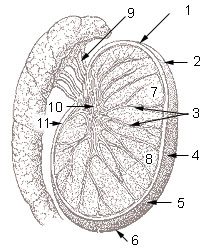 Testis The male gonad — one on each side of the scrotum
 Uterus The womb — a hollow muscular organ, pear-shaped in the non-pregnant state
 Prostate gland A walnut-sized gland surrounding the first part of the male urethra
 Skin The body's largest organ
 Hair follicle A tiny organ that grows a hair
Cells & tissues
 Neuron The signalling cell of the nervous system
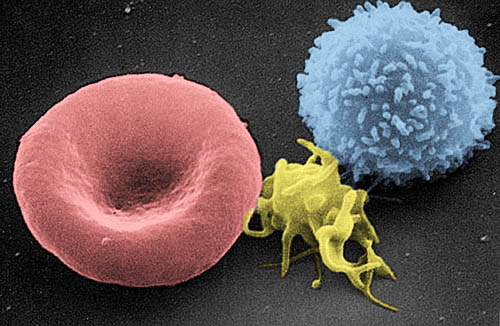 Red blood cell The most numerous cell in the body
 White blood cell The body's mobile defenders
 Platelet The smallest formed element of the blood
 Osteocyte The commonest cell in mature bone
 Sperm cell The male gamete
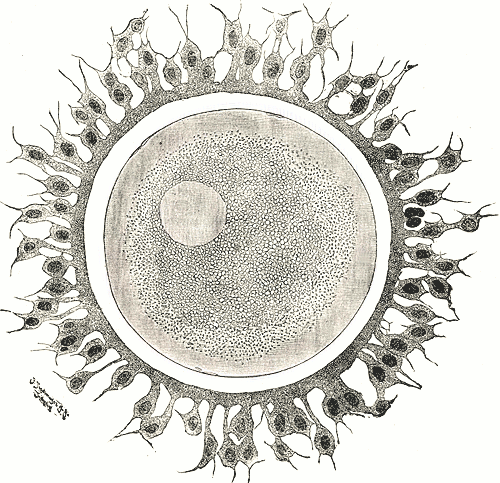 Egg cell The female gamete — the largest cell in the human body
 Muscle fibre The contractile cell of skeletal muscle
 Epithelium The lining and covering tissue of the body
 Skeletal muscle tissue The voluntary, striped muscle that moves the bones
 Cardiac muscle tissue The involuntary striped muscle of the heart wall
 Smooth muscle tissue The unstriped, involuntary muscle of hollow organs
 Adipose tissue The body's fat
 Collagen The most abundant protein in the body
💡 General knowledge
148Inventions, sport, food, words and the odds and ends that win matches.
Inventions & discoveries


Sport
 The Olympic Games 776 BC (traditional first games); revived 1896
 The Ashes 1882 (origin of the name)
 The Tour de France First held 1903 💡 Wimbledon First held 1877
 The Grand National First run 1839 💡 The FIFA World Cup First held 1930
 The Marathon 1896 (first modern race); distance fixed at 26 miles 385 yards in 1921 💡 The Six Nations Championship 1883 as the Home Nations; six teams from 2000 💡 The Boat Race First raced 1829
 Snooker's maximum break First officially recognised in 1955 💡 The County Championship Constituted 1889; first played 1890 💡 Minor counties cricket Championship founded 1895; renamed National Counties in 2020 💡 The Premier League Founded 1992 💡 The FA Cup First contested 1871–72
 The Rugby World Cup First held 1987
 Formula One World Championship since 1950 💡 The Ryder Cup First official match 1927
 The Davis Cup First contested 1900
 The America's Cup First won 1851
 The Giro d'Italia First held 1909
 The Paralympic Games First held Rome, 1960 💡 The Commonwealth Games First held 1930
 The Super Bowl First played 15 January 1967
 The Melbourne Cup First run 7 November 1861
 The Rugby League Challenge Cup First contested 1896–97 💡 The Open Championship First played 17 October 1860
Food & drink
 Jerk cooking 17th century onwards; Jamaica
 Champagne Region delimited 1927; appellation d'origine contrôlée from 1936
 Protected designation of origin EU scheme created 1992
 The French mother sauces Codified by Carême c.1833; revised by Escoffier 1903
 Baijiu Distilling in China from at least the Yuan dynasty; Moutai brand from the 18th–19th century
 Whisky regions Regions given force of law by the Scotch Whisky Regulations 2009
 Classic cocktails First defined in print 1806; IBA founded 1951
 Tea Drunk in China for around two millennia; in Britain from the 1650s
 Coffee Cultivated in Yemen by the 15th century; in London from 1652
 Chocolate Mesoamerica from c.1900 BC; the eating bar from 1847
 Bread Baked at least 14,000 years; the Chorleywood process from 1961
 Pasta shapes Italian industrial production from the 17th century; hundreds of named forms
 Cheese Made for at least 7,000 years; Roquefort France's first AOC, 1925
 Sushi Narezushi from the 8th century; nigiri from the 1820s 💡 Indian sweets Chhena-based sweets from the 17th century; GI registrations from 2009
 Mole Colonial Mexico; Mexican cuisine inscribed by UNESCO in 2010
 Kimchi Chilli added from the 17th century; kimjang inscribed by UNESCO in 2013 💡 Epiphany cakes Eaten on 6 January; the French trade association fixed its rules in the 20th century
Words & language
 The Rosetta Stone Inscribed 196 BC; found 1799
 The Oxford English Dictionary Begun 1857; first edition 1884–1928
 Esperanto 1887
 The Cyrillic alphabet 9th–10th century AD
 Palindromes Term coined 1638 💡 The NATO phonetic alphabet Adopted 1956
 Braille Devised 1824; published 1829
 The Indo-European language family Proposed 1786; ancestor spoken c. 4500–2500 BC
 Grimm's law Described 1818; named 1822
 Loanwords in English From the Viking age onwards
 False friends Term coined 1928
 Eponyms Greek epōnumos, 'giving one's name to'
 Portmanteau words Term coined 1871 💡 Back-formation Term coined by James Murray, 1889 💡 Semantic drift A permanent process 💡 The International Phonetic Alphabet Association founded 1886; first alphabet 1888
 Spoonerisms Named after a don who died in 1930 💡 Mondegreens Coined 1954 💡 Tmesis Greek term; the English word from 1550s 💡 Words ending in "-drome" From Greek dromos, a running-course
 The suffix "-phobia" From Greek phobos, fear
 The suffix "-cracy" and "-archy" From Greek kratos and arkhē 💡 Animal etymologies From every period of English 💡 British place-name elements Celtic, Roman, Anglo-Saxon and Norse layers
 The Dravidian languages Family named 1856; literature from c. 300 BC
 The Romance languages Diverged from Latin c. AD 400–900
 Language isolates A standing problem of classification
Culture & customs
 The Bayeux Tapestry c. 1070s
 Morse code 1844; international version standardised 1865
 Chess Modern rules settled c. 1475–1500
 Playing card suits Latin suits from the 1370s; French suits c. 1480 💡 The Gregorian calendar Introduced October 1582
 Heraldry From the 12th century
Religion & belief
 The books of the Bible Hebrew canon settled by the 2nd century CE; Christian canon listed in full in 367
 The Ten Commandments Exodus 20 and Deuteronomy 5
 The Torah and the Talmud Mishnah c. 200 CE; Babylonian Talmud completed c. 500 CE 💡 The Dead Sea Scrolls written c. 250 BCE – 68 CE; found 1946–1956
 The Council of Nicaea 325 CE
 The papal conclave rules laid down 1274; held in the Sistine Chapel since 1878 💡 The liturgical year begins on the first Sunday of Advent
 Patron saints the practice is ancient; many modern patronages date from the 20th century
 The Quran revealed c. 610–632 CE; authorised text compiled c. 650 💡 The Five Pillars of Islam Islam — the five duties that frame a Muslim life
 The Hajj 8th to 12th of Dhu al-Hijjah, the twelfth month of the Islamic calendar
 Sunni and Shia the division dates from the succession dispute of 632 CE
 The Four Noble Truths first taught at Sarnath, traditionally in the 5th century BCE
 The Trimurti the grouping is established by the Puranic period, c. 4th century CE onwards
 The Bhagavad Gita composed c. 2nd century BCE – 2nd century CE
 The Five Ks of Sikhism instituted at Vaisakhi 1699
 Jainism Mahavira traditionally 599–527 BCE
 Shinto the name is first used in the 6th century CE to distinguish it from Buddhism
 Zoroastrianism founder variously dated between c. 1500 and c. 600 BCE
 Vodou formed in Saint-Domingue in the 17th and 18th centuries; officially recognised in Haiti in 2003
Economics & society
 Supply and demand Diagram popularised by Alfred Marshall, 1890 💡 The invisible hand Coined by Adam Smith; the famous use is in The Wealth of Nations, 1776
 GDP Devised by Simon Kuznets for the US Congress, 1934
 Inflation UK target set at 2 per cent on the CPI since December 2003
 Central banks and interest rates Sveriges Riksbank 1668; Bank of England 1694; UK operational independence 1997 💡 Keynesian economics The General Theory, 1936
 Monetarism Term coined 1968; at its height c. 1975–1985 💡 The Phillips curve 1958 💡 Comparative advantage Stated by David Ricardo, 1817
 The gold standard Classical era c. 1870–1914; finally abandoned 1971
 Bretton Woods Conference 1–22 July 1944; system collapsed 1971–73
 The IMF and the World Bank Founded 1944; operations from 1946–47
 The World Trade Organization Established 1 January 1995
 The Copenhagen criteria Agreed at the European Council of 21–22 June 1993 💡 The Responsibility to Protect ICISS report 2001; endorsed at the UN World Summit, 2005
 The Gini coefficient Proposed by Corrado Gini, 1912 💡 The Nash equilibrium Defined in a Princeton doctoral thesis, 1950
 The tragedy of the commons Named by Garrett Hardin in Science, 1968
 Malthusianism An Essay on the Principle of Population, first published anonymously in 1798 💡 The Nobel Memorial Prize in Economic Sciences Established 1968; first awarded 1969
Film, TV & games
 The Palme d'Or Instituted 1955
 The BAFTAs Academy founded 1947; first film awards 1949 💡 The Eurovision Song Contest First held 24 May 1956 💡 Doctor Who 1963–1989; 1996 film; 2005–present
 The Simpsons Shorts from 1987; series from 17 December 1989
 Star Trek From 8 September 1966
 Star Wars From 25 May 1977 💡 The James Bond films From 1962
 The Muppets From 1955
 Oswald the Lucky Rabbit Created 1927
 Tetris 1984 💡 Pac-Man Released 22 May 1980 💡 Portal Released 10 October 2007
 Pokémon From 27 February 1996 💡 Minecraft First public release 17 May 2009; version 1.0 on 18 November 2011 💡 The BAFTA Games Awards First held 2004 💡 Persona From 1996
 Dungeons & Dragons First published 1974
 The Turner Prize Established 1984