Ten hour-long films for Polish television, one for each commandment, all set on the same Warsaw housing estate (1988–89)
Dekalog
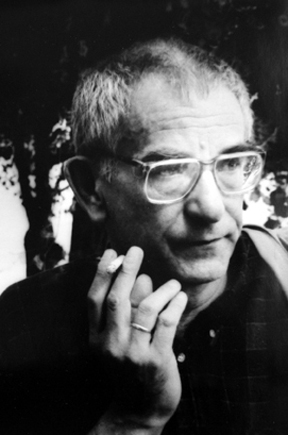
Film · European
1941–1996 · Polish
Cinema of moral anxiety; late European art cinema
Krzysztof Kieślowski began in documentary, abandoned it over the ethics of filming real people, and then made two of the great cycles of modern cinema: ten hour-long television films on the Ten Commandments set on a single Warsaw housing estate, and a trilogy named after the colours of the French flag. He announced his retirement after the last of them and died two years later, aged 54.
Ten hour-long films for Polish television, one for each commandment, all set on the same Warsaw housing estate (1988–89)
Dekalog
A taxi driver is strangled with a length of rope, and the young man who did it is hanged; the film gives both deaths the same unblinking length (1988)
A Short Film About Killing — Jury Prize at Cannes and the first European Film Award for best film
A shy postal worker watches an older woman across the courtyard through a telescope (1988)
A Short Film About Love
Two young women, one in Kraków and one in Paris, who never meet but share a life, a voice and a heart condition (1991)
The Double Life of Véronique — Irène Jacob won Best Actress at Cannes
A widow tries to erase her old life in Paris, haunted by a blue crystal chandelier and an unfinished Concerto for the Unification of Europe (1993)
Three Colours: Blue, with Juliette Binoche — it won the Golden Lion at Venice
A Polish hairdresser, humiliated by a Paris divorce, smuggles himself home in a trunk and gets rich enough to take revenge (1994)
Three Colours: White — Silver Bear for Best Director at Berlin
A model befriends a retired judge who eavesdrops on his neighbours' telephone calls in Geneva; the director's last film (1994)
Three Colours: Red, with Irène Jacob and Jean-Louis Trintignant
A factory worker buys an 8mm camera to film his baby daughter and turns it on his workplace instead (1979)
Camera Buff (Amator) — his breakthrough, and a film about the ethics of filming