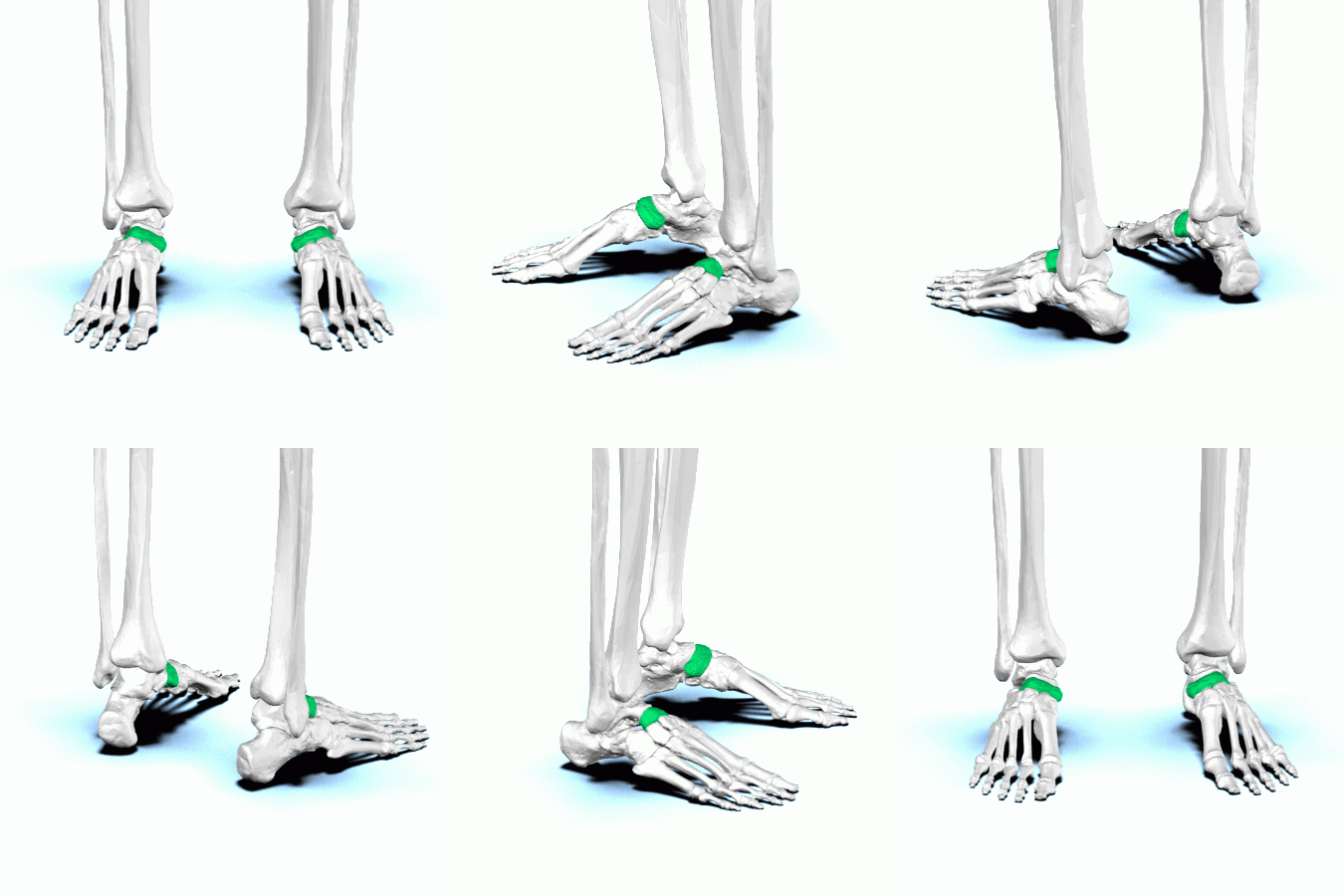
A boat-shaped bone on the inner side of the foot, between the head of the ankle bone and three wedge-shaped bones
Navicular bone — the boat-shaped tarsal bone (navicula, little ship).
Anatomy · Bones
The boat-shaped bone of the foot
Foot · midfoot · tarsal bones
The navicular is the boat-shaped tarsal bone on the inner side of the foot, lying between the head of the talus behind and the three cuneiform bones in front. It is the keystone of the medial longitudinal arch, and its tuberosity, a palpable bump on the inner border of the foot, is the main insertion of tibialis posterior. It is the last of the tarsal bones to begin to ossify.
A boat-shaped bone on the inner side of the foot, between the head of the ankle bone and three wedge-shaped bones
Navicular bone — the boat-shaped tarsal bone (navicula, little ship).
The keystone of the arch on the inner border of the foot
Navicular bone — it maintains the medial longitudinal arch.
A prominent bump on the inner border of the foot, about 2.5 cm in front of the ankle's inner bump, is where the main tendon of the deep calf muscle inserts
Navicular bone — the navicular tuberosity, insertion of tibialis posterior.
The last of the bones of the hindfoot and midfoot to begin ossifying, appearing around the third year
Navicular bone — the last tarsal bone to ossify.
A childhood condition in which its ossification centre is starved of blood, flattening and hardening it on X-ray, is named after a German radiologist, Köhler
Navicular bone — Köhler disease (avascular necrosis).
An extra ossicle at its inner border, present in about one person in twenty, can be mistaken for a fracture
Navicular bone — the accessory navicular (os naviculare, os tibiale externum).
Stress fractures of its central third, a poorly vascularised zone, are a problem of sprinters and jumpers
Navicular bone — the 'N spot' stress fracture.
Its name, a boat, matches a bone of the wrist with the Greek equivalent, which was once called by this Latin name too
Navicular bone — the hand's scaphoid, once the os naviculare manus.