🪴 GoDeep
Search
← University Challenge
Portrait of Tulip tree

Nature · Trees

Tulip tree

Neophyte (introduced about 1650) · deciduous to 35 m · large parks and gardens

Liriodendron tulipifera — Magnoliaceae

A magnolia relative from eastern North America, one of the first American trees to reach Britain, brought in the mid-17th century and connected to John Tradescant the younger. Its saddle-shaped leaves with a squared-off tip, and its tulip-like flowers, make it easy to name. It is not invasive.

How to know it

Whole tree of Tulip tree
Whole tree David Hawgood · CC BY-SA 2.0
Leaf of Tulip tree
Leaf Photo by and (c)2007 Derek Ramsey ( Ram-Man ) · GFDL 1.2
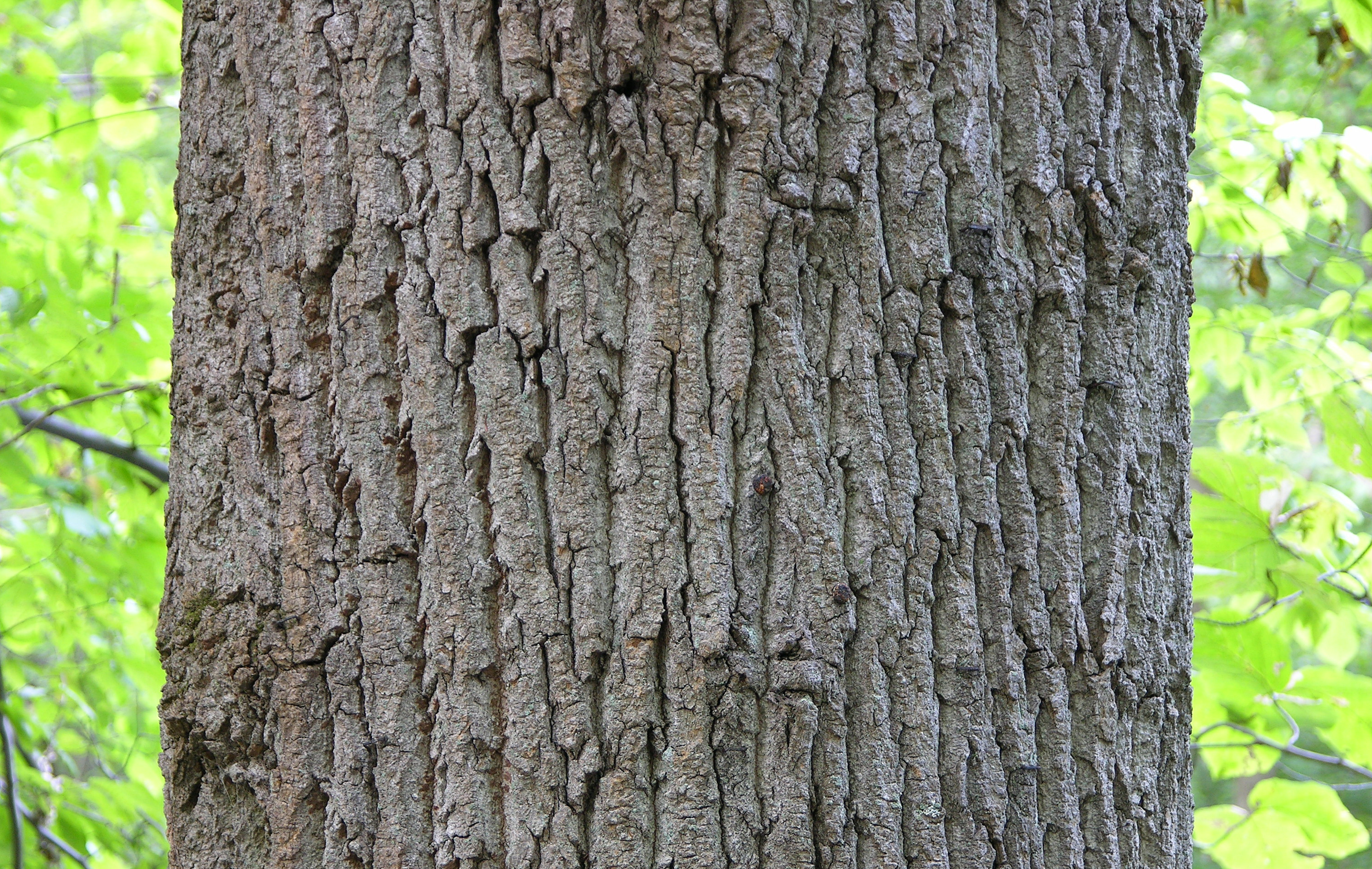
Bark of Tulip tree
Bark Photo by and (c)2006 Derek Ramsey ( Ram-Man ) · GFDL 1.2

How to spot them

  • ▸Leaves unlike any other British tree: four-lobed, with a flat or notched tip as if the end has been cut off with scissors
  • ▸Butter-yellow autumn colour
  • ▸Tulip-shaped greenish-yellow flowers marked with orange, high in the canopy in early summer on mature trees
  • ▸Cone-like upright fruit clusters of winged seeds that persist into winter
  • ▸Long, straight trunk with pale, furrowed bark
  • ▸Look-alikes: maples and planes have pointed lobes; only the tulip tree has a truncated, notched tip.

How to know it

Its leaves look as though the tip has been snipped off with scissors, giving a saddle shape

Tulip tree.

A member of the magnolia family from eastern North America, brought to England around 1650 by a royal gardener's family

Tulip tree. John Tradescant the younger.

Greenish-yellow flowers marked with orange, shaped like the bloom for which it is named, appear high in the canopy

Tulip tree.

Its leaves turn butter-yellow in autumn

Tulip tree (RHS).

A specimen growing in London in 1688 was probably brought or sent back by a Tradescant

Tulip tree (Oxford University Plants 400).

Its Latin genus name means lily tree, and it is a relative of magnolias

Tulip tree. Liriodendron tulipifera.

Quick-fire facts

  • •Liriodendron tulipifera — Liriodendron means lily tree; tulipifera means bearing tulips; family Magnoliaceae
  • •Introduced into British cultivation in the mid-17th century; a specimen growing in London in 1688 was probably brought or sent by John Tradescant the younger (Oxford University Plants 400)
  • •Native to eastern North America, where it is among the tallest eastern hardwoods
  • •Mature trees flower in early summer; the flowers are pollinated by bees and beetles and yield abundant nectar
  • •RHS: generally pest-free, but may be susceptible to honey fungus
  • •Requires lime-free soil in sun or partial shade (RHS)
  • •Not invasive in Britain
  • •Classic quiz identification: the leaf with a truncated tip

Drill it — 6 cards

1 / 6new card

Sources