"Va, pensiero, sull'ali dorate" (1842)
The Chorus of the Hebrew Slaves, a paraphrase of Psalm 137, sung largely in unison
Recording: Unknown · CC BY-SA 4.0, Wikimedia Commons
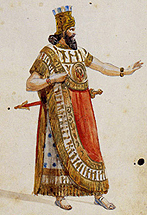
Opera · Italian opera
9 March 1842, Teatro alla Scala, Milan
Giuseppe Verdi · libretto by Temistocle Solera
The Babylonian king who sacked Jerusalem declares himself a god, is struck mad by a thunderbolt, and is restored when he repents. Verdi's third opera made him famous at 28, and its chorus of exiled Hebrews became an unofficial anthem of Italian nationhood.
"Va, pensiero, sull'ali dorate" (1842)
The Chorus of the Hebrew Slaves, a paraphrase of Psalm 137, sung largely in unison
Recording: Unknown · CC BY-SA 4.0, Wikimedia Commons
"Anch'io dischiuso un giorno" (1842)
The usurping elder daughter discovers she is a slave's child, and remembers she once had a heart
"Dio di Giuda!" (1842)
The mad king, locked away, prays to the God of Judah and recovers his reason
"Tu sul labbro de' veggenti" (1842)
The high priest Zaccaria's Act II prophecy, accompanied by six solo cellos
The Overture (1842)
A potpourri built from later numbers, opening with solemn trombones and ending with a gallop