🪴 GoDeep
Search
← University Challenge
Portrait of Sitka spruce

Nature · Trees

Sitka spruce

Neophyte (introduced 1831) · evergreen conifer to 50 m+ · upland plantations in the west and north

Picea sitchensis — Pinaceae

The tree that carpets the British uplands: a Pacific coast spruce brought to Britain in 1831 and planted in vast numbers by the Forestry Commission, created in 1919 to rebuild the timber reserves depleted by the First World War. It now makes up about half of all conifer plantings and around a quarter of the forest area, and is the timber behind most British paper, pallets and packaging.

How to know it

Whole tree of Sitka spruce
Whole tree David Bremner · CC BY-SA 2.0
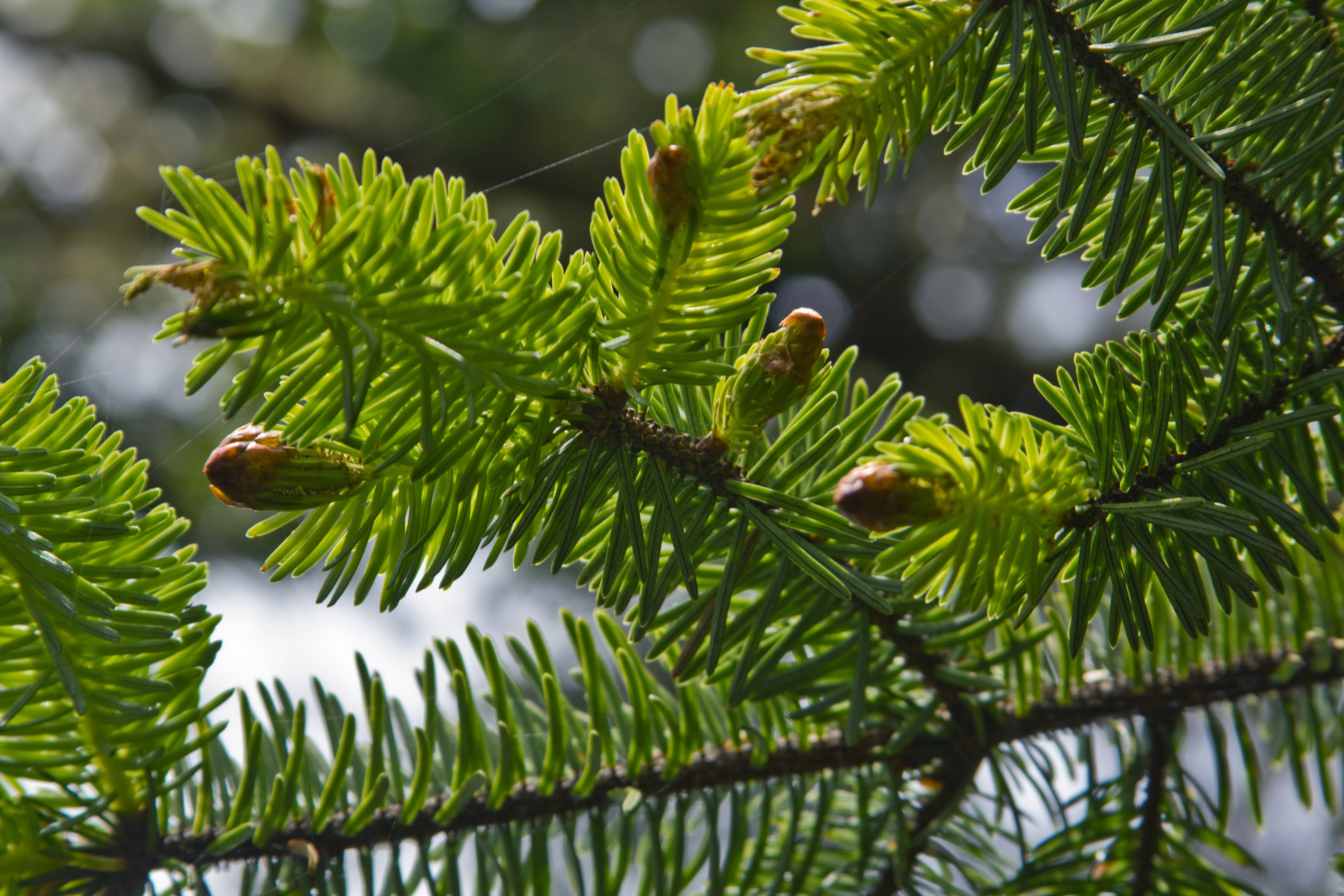
Leaf of Sitka spruce
Leaf Roland Tanglao from Vancouver, Canada · CC BY 2.0
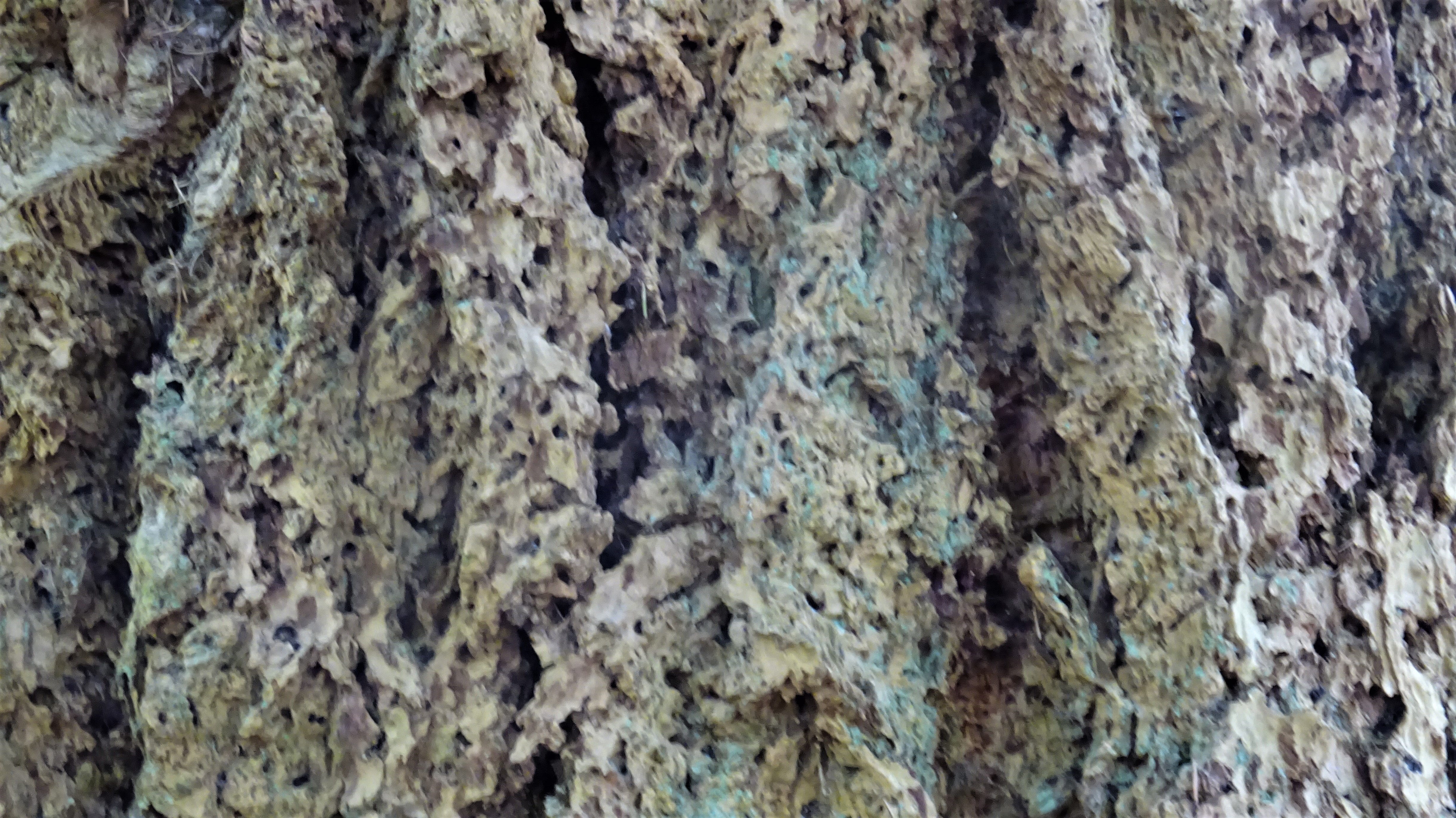
Bark of Sitka spruce
Bark Rosser1954 · CC BY-SA 4.0

How to spot them

  • ▸Needles flattened, straight and sharply pointed — prickly to grasp — with two blue-white bands beneath
  • ▸Cones pale creamy-brown, cylindrical, 6 to 10 cm, with thin crinkled, toothed scale margins
  • ▸A woody peg at the base of every needle, as in all spruces
  • ▸Dense, dark plantation rows in western and northern uplands
  • ▸Look-alike: Norway spruce has four-sided, blunter, dark-green needles that are not prickly, and longer cones (10 to 15 cm); Sitka needles are flattened and stab the palm.

How to know it

Named after an Alaskan town, this prickly-needled spruce makes up about half of Britain's conifer plantations

Sitka spruce.

Brought to Britain in 1831, it now dominates upland forests planted by the Forestry Commission set up after 1919

Sitka spruce.

Its flattened, sharp needles have two blue-white stripes beneath, and hurt to hold, unlike a Christmas-tree spruce

Sitka spruce. The Norway spruce has blunter four-sided needles.

Its cones have thin, crinkled, toothed scale margins

Sitka spruce.

The state tree of Alaska, and the largest spruce in the world

Sitka spruce.

In 2024 an eight-toothed bark beetle from Norway spruce was first found infesting it in southern England

Sitka spruce. Ips typographus, within the demarcated area.

The green spruce aphid can defoliate this plantation conifer

Sitka spruce (Woodland Trust).

Quick-fire facts

  • •Picea sitchensis — named after Sitka, Alaska; native to the Pacific fog belt from California to Alaska
  • •Introduced to Britain in 1831 (Woodland Trust) and grown in upland plantations since
  • •Britain's most widely planted productive conifer: about 25% of forest cover, or around 50% of all conifer plantings (Forest Research)
  • •The Forestry Commission was set up in 1919 after the First World War to restore Britain's depleted timber reserves; Sitka became its workhorse on wet, poor upland soils
  • •Largest of the spruces, up to 80 m in its native range; state tree of Alaska
  • •Naturalised where grown; regenerates from seed and is targeted for removal on some peatland restoration sites
  • •Green spruce aphid can defoliate trees; Ips typographus was first found on Norway spruce in Kent in 2018 and on Sitka spruce in West Sussex in 2024, within the demarcated area
  • •Ips typographus is a notifiable pest present in the UK (Forest Research)

Drill it — 7 cards

1 / 7new card

Sources