
The Night Watch (1642)
Rijksmuseum, Amsterdam
Militia company of Captain Frans Banninck Cocq surging into action; actually a daytime scene darkened by varnish
Image: Rembrandt · Public domain, Wikimedia Commons

Art
1606–1669 · Dutch
Dutch Golden Age / Baroque
Rembrandt Harmenszoon van Rijn, born in Leiden and based in Amsterdam, is the greatest painter and printmaker of the Dutch Golden Age. His group portraits, biblical scenes and unflinching self-portraits combine dramatic light with deep psychological insight. After early fame and wealth he suffered bankruptcy and bereavement, yet his late works are among his most profound.
The Night Watch (1642)
Rijksmuseum, Amsterdam
Militia company of Captain Frans Banninck Cocq surging into action; actually a daytime scene darkened by varnish
Image: Rembrandt · Public domain, Wikimedia Commons

The Anatomy Lesson of Dr Nicolaes Tulp (1632)
Mauritshuis, The Hague
Early group portrait of surgeons watching Dr Tulp dissect a forearm; made his name in Amsterdam
Image: Rembrandt · Public domain, Wikimedia Commons

The Return of the Prodigal Son (c. 1661–1669)
Hermitage Museum, Saint Petersburg
A ragged son kneels in his father's embrace; one of his last great works
Image: Rembrandt · Public domain, Wikimedia Commons
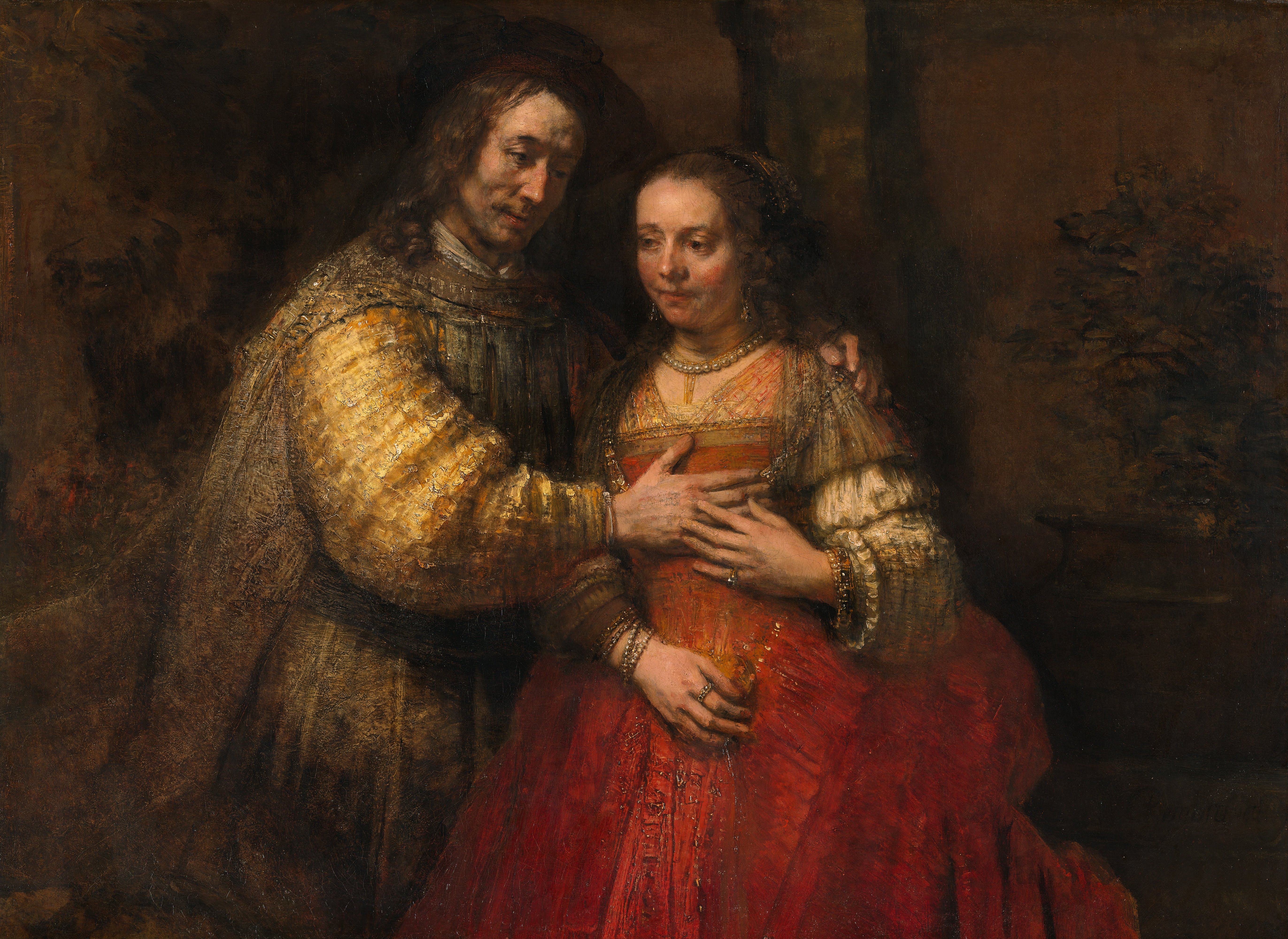
The Jewish Bride (c. 1665–1669)
Rijksmuseum, Amsterdam
Tender couple with the man's hand on the woman's breast; Van Gogh said he would give ten years of life to sit before it
Image: Rembrandt · Public domain, Wikimedia Commons

Syndics of the Drapers' Guild (1662)
Rijksmuseum, Amsterdam
Cloth inspectors look up as if interrupted; familiar from Dutch Masters cigar boxes
Image: Rembrandt · Public domain, Wikimedia Commons
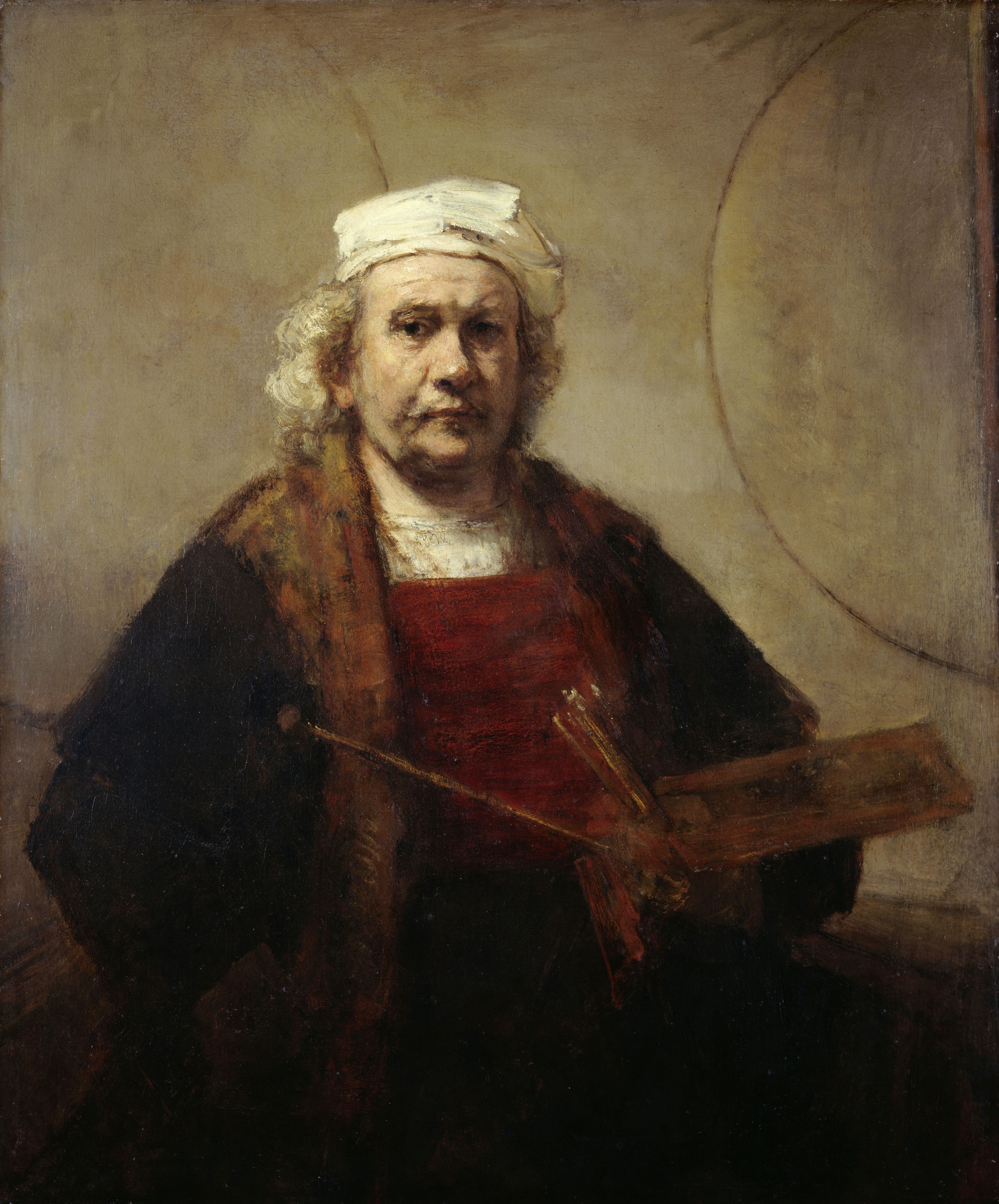
Self-Portrait with Two Circles (c. 1665–1669)
Kenwood House, London
Late self-portrait with palette and brushes before two mysterious arcs on the wall
Image: Rembrandt · Public domain, Wikimedia Commons