

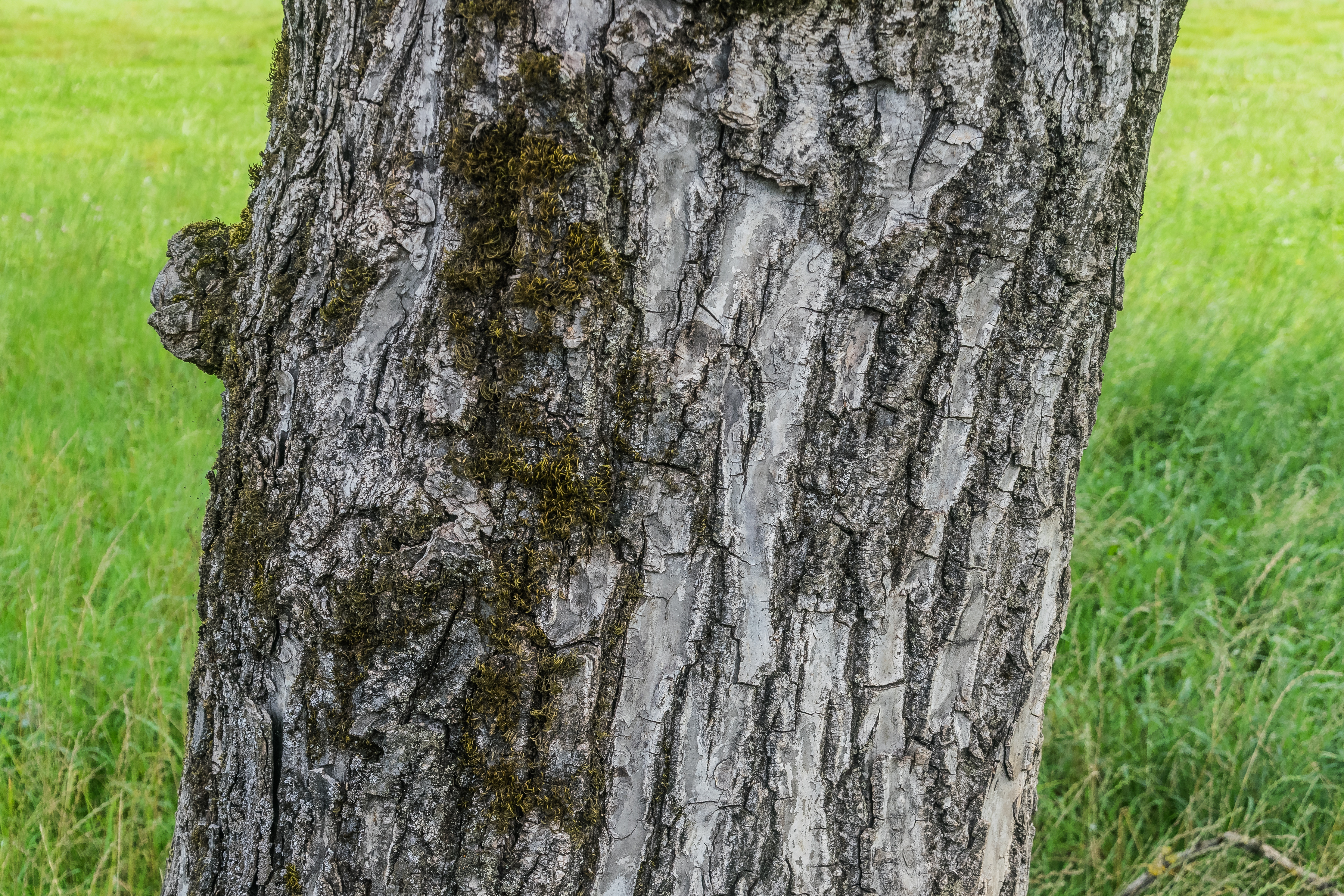
A big tree whose crushed leaves smell of polish and whose winter twigs show horseshoe-shaped leaf scars
Common walnut.

Nature · Trees
Introduced, naturalised in lowland Britain · deciduous, to 35 m · parks, hedgerows and river banks
Juglans regia — Juglandaceae
The common or English walnut is a broad-crowned, aromatic tree native from south-east Europe to south-west China, planted for its nuts and later its timber. It has naturalised in lowland Britain, helped by hoarding squirrels. Crushed leaves smell like polish, and winter twigs have horseshoe-shaped leaf scars.
A big tree whose crushed leaves smell of polish and whose winter twigs show horseshoe-shaped leaf scars
Common walnut.
A pinnate leaf with untoothed oval leaflets and one at the tip, unlike an elder's opposite toothed leaflets
Common walnut.
Its genus name comes from Jovis glans, meaning Jupiter's nut, and its epithet means royal
Common walnut (Juglans regia).
Spread through lowland Britain partly by hoarding squirrels, and native from south-east Europe to south-west China
Common walnut.
Its timber has a decorative wavy grain and its nuts a green fleshy husk
Common walnut.
Vulnerable to a blight that produces small black spots on the leaflets
Common walnut.