A hawthorn whose haws contain two seeds rather than one and whose flowers have twin styles
Midland hawthorn (Crataegus laevigata).

Nature · Trees
Native · deciduous shrub or small tree, to 8 m · flowers from mid-April · ancient woods and clay hedgebanks
Crataegus laevigata — Rosaceae
The woodland cousin of common hawthorn, Midland hawthorn favours ancient woodland, shady old woods and hedgebanks on clay south of the Humber. It flowers one to two weeks earlier than common hawthorn and has only shallowly lobed leaves, twin styles and twin-seeded haws. Its cut flowers smelled so foul that medieval people compared them to the Great Plague.
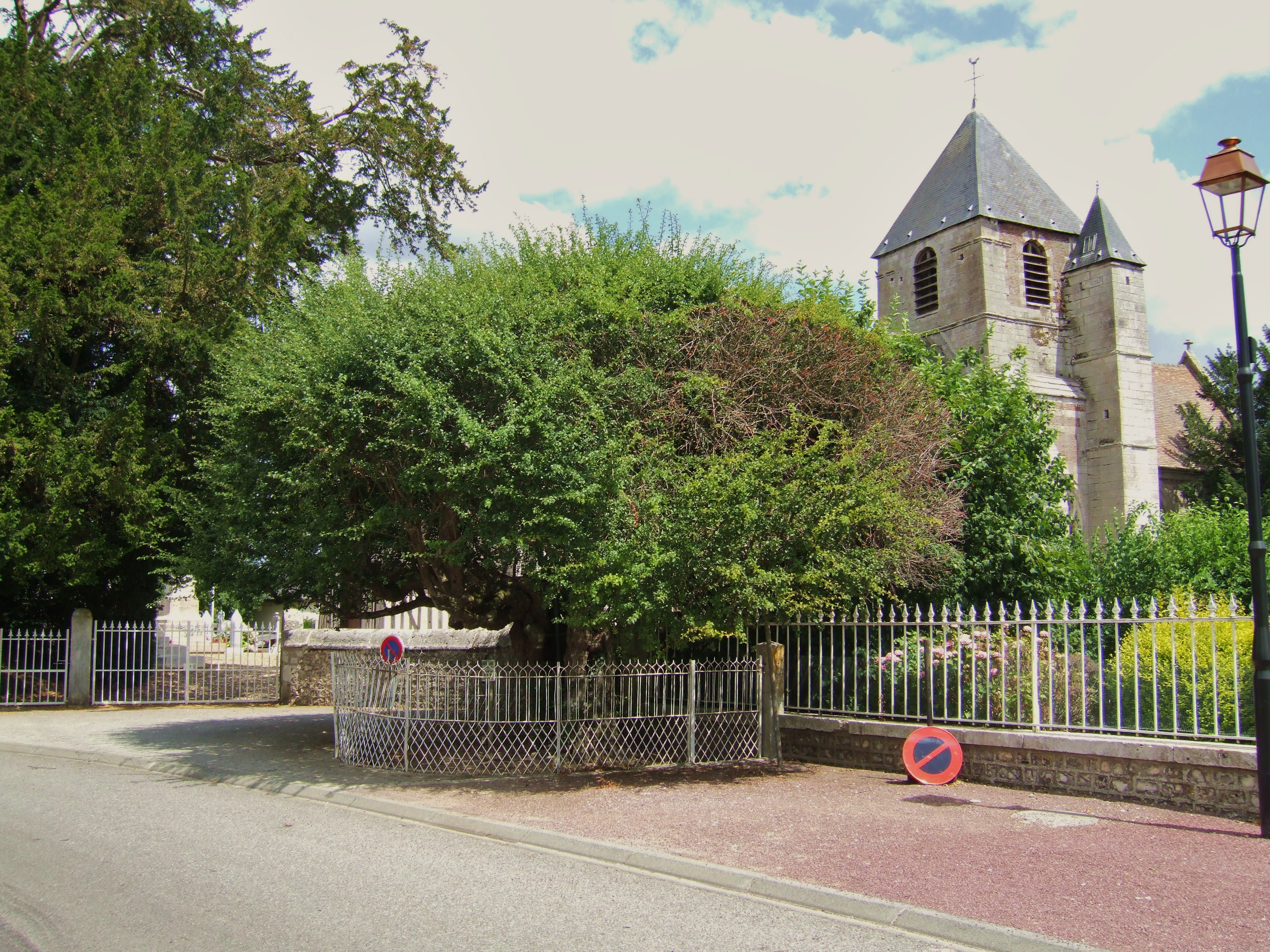


A hawthorn whose haws contain two seeds rather than one and whose flowers have twin styles
Midland hawthorn (Crataegus laevigata).
A hawthorn with shallowly lobed leaves and shiny green foliage, flowering one to two weeks before its commoner cousin
Midland hawthorn.
The scent of its cut flowers reminded medieval people of the Great Plague
Midland hawthorn.
A thorny shrub of clay ancient woods and old hedgebanks, most common south of the Humber
Midland hawthorn.
Probably the more common of the two hawthorns in the Middle Ages, now rarer as its habitats have been lost
Midland hawthorn.
Its fluted stems are used for tool handles and walking sticks; its haws make jelly and wine
Midland hawthorn.